Maximizing ERISA Benefits 2026: Compliance & Fiduciary Duties

Maximizing your ERISA benefits in 2026 requires understanding evolving compliance updates and your employer’s fiduciary responsibilities to secure your retirement and health plans effectively.
Navigating employee benefits can often feel like deciphering a complex legal document, and when it comes to retirement and health plans, the Employee Retirement Income Security Act (ERISA) is the cornerstone. For employees aiming to optimize their financial well-being, understanding how to maximize your ERISA benefits in 2026 is crucial, especially with ongoing compliance updates and evolving fiduciary responsibilities.
Understanding ERISA: A Foundation for Your Benefits
ERISA is a federal law that sets minimum standards for most voluntarily established retirement and health plans in private industry to provide protection for individuals in these plans. Signed into law in 1974, it has continuously evolved to address the changing landscape of employment and financial security. For 2026, it’s essential to grasp its foundational principles and how they impact your benefits.
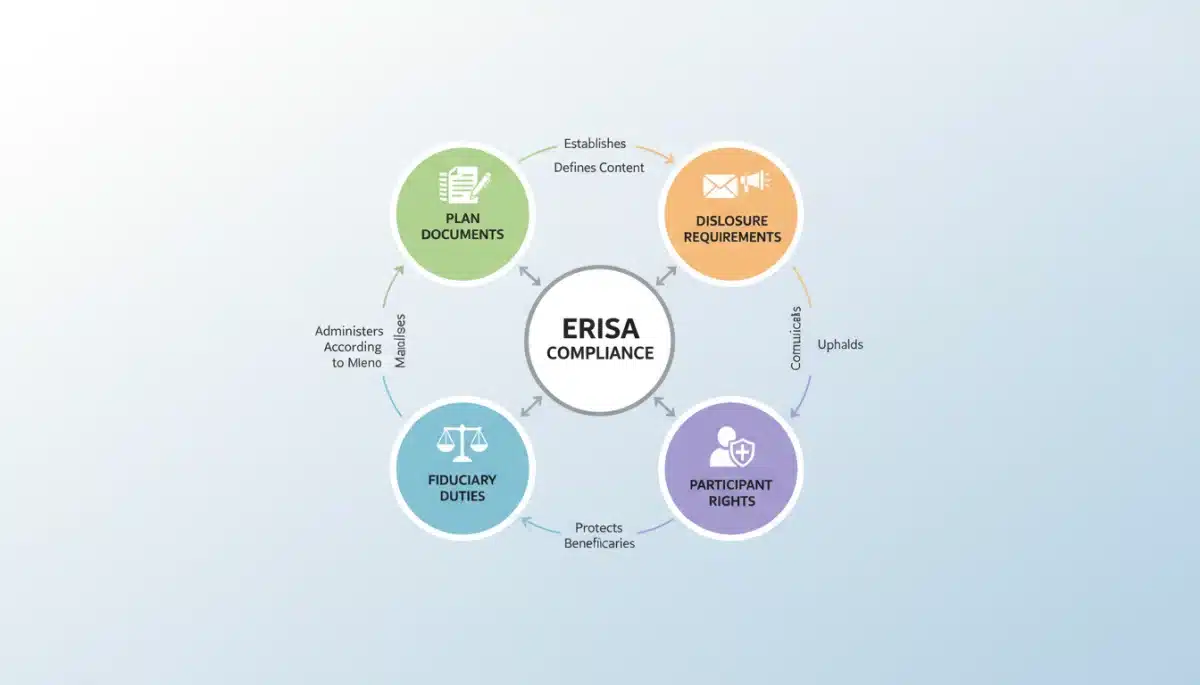
This legislation ensures that plan fiduciaries act solely in the interest of plan participants and beneficiaries, managing plan assets prudently. It also establishes strict reporting and disclosure requirements, giving you, the employee, access to vital information about your plan. Without ERISA, the integrity and security of many workplace benefits would be significantly compromised.
Key Protections ERISA Offers
- Transparency: Plans must provide participants with information about plan features and funding.
- Fiduciary Responsibility: Those who manage plan assets must do so in the best interest of participants.
- Grievance and Appeals Process: Participants have the right to appeal denied claims.
- Plan Funding: Ensures adequate funding for defined benefit plans.
In essence, ERISA acts as a critical safeguard, ensuring that your employer’s promises regarding benefits are met with accountability and transparency. Staying informed about these core protections empowers you to better advocate for your rights and understand the security underpinning your financial future.
Key Compliance Updates for ERISA in 2026
The regulatory landscape surrounding ERISA is dynamic, with new rules and interpretations frequently introduced to adapt to economic shifts, technological advancements, and evolving employee needs. For 2026, several key compliance updates are anticipated or have recently been finalized, directly impacting how plans are administered and how employees interact with their benefits.
These updates often aim to enhance participant protection, streamline administrative processes, or address emerging challenges in the benefits sphere. Staying abreast of these changes is not just a task for employers; it’s vital for employees to understand their implications, as they can affect everything from investment options in your 401(k) to the specifics of your health insurance coverage.
Anticipated Regulatory Changes
While specific legislative actions are always subject to change, trends suggest a focus on several areas:
- Enhanced Cybersecurity Requirements: With increasing digital interaction, plans may face stricter mandates for protecting participant data.
- ESG Investment Guidance: Further clarification on the use of Environmental, Social, and Governance (ESG) factors in plan investments for fiduciaries.
- Disclosure Modernization: Efforts to make plan disclosures more accessible and understandable for the average participant.
These potential shifts underscore a broader move towards greater transparency and security within employee benefit plans. Understanding these updates allows you to ask informed questions about your plan and ensure it aligns with the latest standards for your protection and benefit.
Fiduciary Responsibilities: What They Mean for Your Benefits
At the heart of ERISA lies the concept of fiduciary responsibility. A fiduciary is anyone who exercises discretionary authority or control over a plan’s management or assets, or who provides investment advice for a fee. This often includes employers, plan administrators, and investment advisors. Their primary duty is to act solely in the interest of plan participants and beneficiaries, with prudence and loyalty.
For you, the employee, understanding these responsibilities is critical because it means that those managing your retirement savings and health plan are legally bound to make decisions that prioritize your financial well-being. This isn’t just a moral obligation; it’s a legal one with significant consequences for non-compliance.
Core Fiduciary Duties
Fiduciaries under ERISA are held to high standards, including:
- Duty of Loyalty: Acting solely in the interest of plan participants and beneficiaries.
- Duty of Prudence: Acting with the care, skill, prudence, and diligence that a prudent person acting in a like capacity and familiar with such matters would use.
- Diversification: Diversifying plan investments to minimize the risk of large losses.
- Adherence to Plan Documents: Following the terms of the plan documents, as long as they are consistent with ERISA.
These duties ensure that your benefits are managed with the utmost care and integrity. If you suspect a breach of fiduciary duty, ERISA provides avenues for recourse, reinforcing the importance of these protections for your financial future.
Maximizing Your Retirement Plans Under ERISA
Retirement plans, such as 401(k)s and pension plans, are a cornerstone of financial security, and ERISA plays a pivotal role in their regulation and protection. To truly maximize your ERISA-covered retirement benefits in 2026, it’s essential to engage actively with your plan, understand its features, and leverage the protections ERISA affords.
Simply contributing to your plan isn’t enough; strategic participation involves understanding investment options, fee structures, and how your employer’s contributions align with ERISA’s standards. This proactive approach can significantly enhance your retirement savings over time, ensuring you’re on track for a secure financial future.
Strategies for Optimizing Your Retirement Savings
Consider these actions to get the most out of your retirement plan:
- Contribute the Maximum: Aim to contribute at least enough to receive any employer match, and ideally, contribute the maximum allowed by law.
- Review Investment Options: Understand the risk and return profiles of available funds and diversify your portfolio.
- Monitor Fees: Be aware of administrative and investment fees, as they can significantly impact your returns over decades.
- Understand Vesting Schedules: Know when you become fully entitled to employer contributions.
By taking an active role in managing your retirement plan, you can capitalize on ERISA’s protections and propel your savings toward your long-term financial goals, making your retirement years more comfortable and secure.
Navigating Health and Welfare Benefits with ERISA
Beyond retirement, ERISA also governs many employer-sponsored health and welfare plans, including medical, dental, vision, and life insurance. These benefits are critical for your immediate well-being and financial stability, protecting you and your family from unexpected costs. Understanding your rights and the plan’s obligations under ERISA is key to effectively utilizing these benefits in 2026.
The law ensures that these plans provide clear information, fair claim processes, and that plan fiduciaries manage them responsibly. As healthcare costs continue to rise, knowing how to navigate your health and welfare benefits efficiently becomes even more important for managing your personal finances and ensuring access to necessary care.
Key Aspects of ERISA Health Plan Coverage
To make the most of your health and welfare benefits, focus on:
- Summary Plan Description (SPD): Always review your SPD for details on coverage, exclusions, and claims procedures.
- Appeals Process: Understand your right to appeal denied claims and the steps involved.
- COBRA Rights: Be aware of your rights to continue health coverage after certain life events.
- Mental Health Parity: Ensure your plan treats mental health and substance use disorder benefits no more restrictively than medical/surgical benefits.
By being informed about these aspects, you can confidently navigate your health and welfare benefits, ensuring you receive the coverage you are entitled to and effectively manage your healthcare needs under the umbrella of ERISA protections.
Employee Actions: Safeguarding Your ERISA Benefits
While ERISA places significant responsibilities on employers and plan fiduciaries, employees also have a crucial role to play in safeguarding and maximizing their benefits. Being an informed and proactive participant is the best defense against potential issues and the surest way to ensure your benefits serve their intended purpose. In 2026, this proactive approach is more vital than ever.
Don’t assume everything is perfectly managed; take the initiative to understand your plans, ask questions, and know where to turn if you encounter problems. Your engagement not only protects your interests but also encourages plan administrators to maintain high standards of compliance and service.
Proactive Steps to Protect Your Benefits
Consider these essential actions to safeguard your ERISA benefits:
- Read Your Plan Documents: Especially the Summary Plan Description (SPD), which is designed to be easily understandable.
- Review Your Statements: Regularly check your retirement account statements and Explanation of Benefits (EOB) for health claims.
- Ask Questions: If anything is unclear, contact your HR department or plan administrator.
- Report Concerns: If you suspect a violation or mismanagement, report it to the appropriate authorities, such as the Department of Labor.
By adopting these proactive measures, you become an active guardian of your ERISA benefits, ensuring that your employer meets their obligations and that your retirement savings and health coverage remain secure and effective for your future.
| Key Aspect | Brief Description |
|---|---|
| ERISA Foundation | Federal law setting standards for private industry retirement and health plans. |
| Compliance Updates 2026 | Anticipated changes in cybersecurity, ESG investments, and disclosure requirements. |
| Fiduciary Duties | Legal obligation for plan managers to act solely in participants’ best interests. |
| Employee Actions | Proactive steps like reading SPDs, reviewing statements, and asking questions. |
Frequently Asked Questions About ERISA Benefits
ERISA is a federal law establishing minimum standards for most private industry retirement and health plans. It’s crucial in 2026 as it protects your benefits by ensuring transparency, fiduciary responsibility, and fair claim processes, safeguarding your financial future against mismanagement or abuse.
Fiduciary responsibilities legally bind those managing your retirement plan to act solely in your best interest. This means they must make prudent investment decisions, diversify assets, and disclose fees, directly impacting the growth and security of your retirement savings.
While specific changes are ongoing, 2026 may see enhanced cybersecurity mandates for plan data, clearer guidance on ESG investments for fiduciaries, and modernized disclosure requirements to make plan information more accessible and understandable for participants.
To maximize your health benefits, thoroughly review your Summary Plan Description (SPD), understand your plan’s appeals process for denied claims, know your COBRA rights, and ensure your plan complies with mental health parity laws for equitable coverage.
Proactively read all plan documents, regularly review your account statements and Explanation of Benefits, ask your HR department or plan administrator questions about anything unclear, and report any suspected violations to the Department of Labor to protect your benefits.
Conclusion
Navigating the complexities of ERISA can seem daunting, but understanding its core principles, staying informed about 2026 compliance updates, and recognizing the critical role of fiduciary responsibilities are essential for every employee. By taking a proactive approach to your retirement and health plans, engaging with plan documents, and knowing your rights, you can effectively maximize your ERISA benefits. This diligence not only secures your financial future but also ensures that the protections afforded by law are fully realized, providing peace of mind and stability in an ever-evolving benefits landscape.
Autor