TSA New Screening Protocols: U.S. Airports by Nov 2026
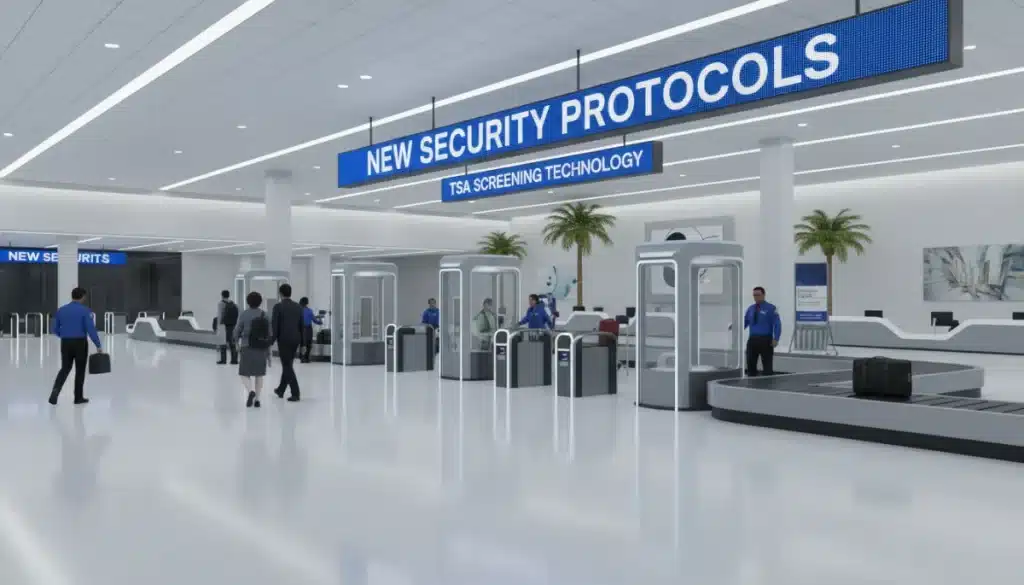
The Transportation Security Administration (TSA) is set to implement new screening protocols across all U.S. airports by November 2026, significantly upgrading aviation security measures.
The Transportation Security Administration (TSA) Implements New Screening Protocols Across All U.S. Airports by November 2026, marking a significant evolution in air travel security. This initiative aims to enhance safety while also improving the efficiency of the screening process for millions of passengers nationwide.
Understanding the Mandate for Enhanced Security
The global landscape of aviation security is constantly evolving, driven by emerging threats and technological advancements. The TSA’s decision to implement new screening protocols by November 2026 is a direct response to these dynamics, aiming to fortify defenses against potential risks while ensuring a smoother journey for travelers. This mandate reflects a proactive approach to safeguard the American public, leveraging cutting-edge solutions to stay ahead of adversaries.
Historically, airport security has undergone numerous transformations, from manual bag checks to the introduction of X-ray machines and advanced imaging technology. Each evolution has been a step towards greater security and efficiency. The current push for new protocols builds upon this foundation, incorporating lessons learned from past incidents and adopting innovations that promise a more robust and less intrusive screening experience. It’s a comprehensive overhaul designed to address vulnerabilities that might arise from evolving threat vectors.
The Driving Forces Behind the Change
Several critical factors are compelling the TSA to update its screening procedures. These include a heightened awareness of sophisticated threats, the rapid pace of technological innovation, and the need to standardize security levels across diverse airport environments. The agency is also under constant pressure to balance security imperatives with the demand for efficient passenger flow, particularly as air travel volumes continue to rise globally.
- Evolving Threat Landscape: Terrorist groups and individuals continually seek new methods to bypass security, necessitating adaptive and predictive countermeasures.
- Technological Advancements: New technologies like Artificial Intelligence (AI) and advanced imaging offer unprecedented capabilities for threat detection.
- Operational Efficiency: Streamlining checkpoints reduces wait times and improves the overall traveler experience, which is crucial for public acceptance and compliance.
- Standardization Across Airports: Ensuring a consistent level of security and operational procedure across all U.S. airports eliminates potential weak points.
In conclusion, the mandate for enhanced security is not merely an incremental update but a strategic re-evaluation of aviation safety. It underscores a commitment to protecting passengers and crew through continuous improvement and adaptation, setting a new benchmark for airport security in the United States.
Key Technologies Driving the New Protocols
The core of the TSA’s new screening protocols lies in the integration of advanced technologies designed to detect threats more effectively and efficiently. These innovations are set to revolutionize how passengers and their belongings are screened, moving towards a more intelligent and less intrusive process. The shift from traditional methods to these high-tech solutions promises to enhance security without significantly increasing passenger inconvenience.
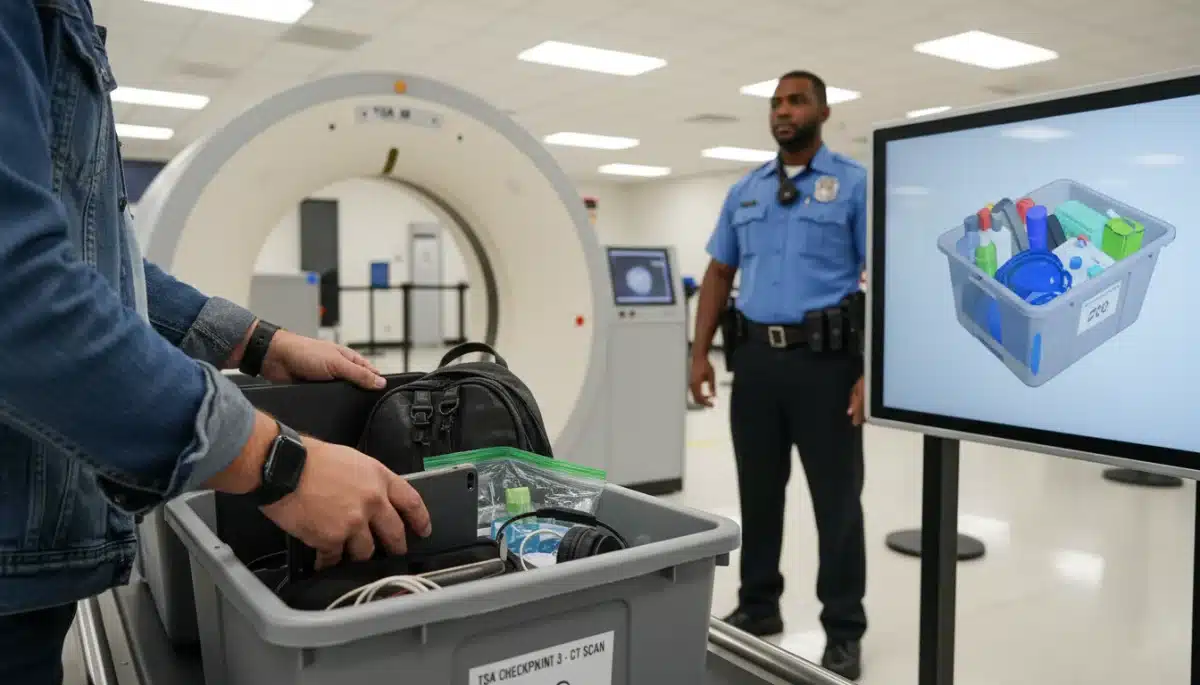
One of the most significant technological shifts involves the widespread deployment of Computed Tomography (CT) scanners for carry-on luggage. Unlike traditional X-ray machines that provide two-dimensional images, CT scanners create 3D images, allowing TSA officers to rotate and view the contents of a bag from multiple angles. This capability dramatically improves the ability to identify prohibited items and explosives, reducing the need for manual bag checks.
Artificial Intelligence and Machine Learning Integration
Beyond CT scanning, Artificial Intelligence (AI) and Machine Learning (ML) are playing an increasingly vital role in automating threat detection. These systems are trained on vast datasets of images to identify anomalies and potential threats with greater accuracy than human operators alone. AI-powered algorithms can flag suspicious items, allowing TSA officers to focus their attention on areas of higher risk.
- Enhanced Detection Accuracy: AI algorithms can quickly process complex data, identifying objects that might be missed by the human eye.
- Reduced False Alarms: Machine learning helps differentiate between benign items and actual threats, decreasing the number of unnecessary secondary screenings.
- Faster Throughput: Automation speeds up the analysis process, contributing to quicker checkpoint lines.
- Continuous Learning: AI systems can continuously learn from new data, improving their performance over time.
The adoption of these sophisticated technologies represents a monumental leap forward in airport security. It’s not just about adding new machines; it’s about creating an integrated, intelligent security ecosystem that can adapt to evolving threats. This technological backbone ensures that the TSA new screening protocols are robust and future-proof.
Furthermore, biometric authentication systems are being piloted and are expected to become more prevalent. These systems use unique biological characteristics, such as fingerprints or facial recognition, to verify a traveler’s identity. This not only enhances security by ensuring the person presenting the boarding pass is indeed who they claim to be but also accelerates the identity verification process, contributing to overall checkpoint efficiency.
In essence, the technological advancements underpinning the new TSA protocols are designed to create a multi-layered security approach. By combining superior imaging capabilities with intelligent threat detection and streamlined identity verification, the TSA is building a more resilient and responsive security framework. This strategic integration of technology is crucial for maintaining high security standards in an increasingly complex world.
Impact on Traveler Experience and Procedures
The implementation of the new TSA screening protocols is poised to significantly alter the traveler experience, aiming for a balance between enhanced security and improved convenience. While some changes might require adjustments from passengers, the overarching goal is to make the security process more predictable, efficient, and ultimately, less stressful. Understanding these changes beforehand will be key for a smoother journey.
One of the most noticeable changes for passengers will likely be related to how carry-on bags are screened. With the wider deployment of CT scanners, travelers may no longer need to remove laptops, liquids, and other electronic devices from their bags. This procedural shift, while seemingly minor, can dramatically reduce the time spent at the checkpoint, as it eliminates a common bottleneck and simplifies the packing process.
Adjustments to the Screening Process
While the goal is efficiency, some aspects of the new protocols might still require traveler attention. For instance, specific items might still need to be presented separately, or certain procedures might be adjusted based on the latest threat assessments. The TSA will be focusing on clear communication to ensure passengers are well-informed about any new requirements.
- Reduced Divesting: Fewer items will need to be removed from carry-on bags, such as laptops and liquids, thanks to advanced imaging.
- Potential for Fewer Pat-downs: Improved technology aims to reduce the instances where physical pat-downs are necessary by providing clearer images.
- Increased Use of Biometrics: Travelers might encounter more opportunities to use facial recognition or fingerprints for identity verification.
- Clearer Signage and Guidance: Airports will likely update their signage and staff training to guide passengers through the new procedures efficiently.
The new protocols are also expected to influence pre-check programs like TSA PreCheck. While the benefits of these programs will likely remain, the specific procedures might evolve to align with the advanced technologies. Travelers enrolled in PreCheck can anticipate continued expedited screening, possibly with even greater ease as the new systems become fully operational.
Ultimately, the objective is to create a more consistent and less variable screening experience across all airports. By standardizing the technology and processes, the TSA aims to reduce confusion and improve the overall flow of passengers. This focus on predictability and efficiency is a cornerstone of the new TSA new screening protocols, designed to benefit all air travelers.
Training and Implementation Timeline for Personnel
The successful rollout of the new TSA screening protocols hinges critically on the comprehensive training of personnel and a meticulously planned implementation timeline. It’s not enough to introduce advanced technology; the individuals operating these systems must be thoroughly proficient. The TSA is investing heavily in ensuring its workforce is fully prepared to manage the enhanced security measures effectively and consistently across all U.S. airports.
Training programs for TSA officers are being redesigned to incorporate the intricacies of the new CT scanners, AI-powered detection systems, and biometric authentication processes. This training goes beyond mere operational instruction; it includes understanding the underlying principles of the technology, interpreting complex data, and making informed decisions under pressure. The goal is to empower officers with the expertise needed to leverage the new tools to their full potential.
Phased Rollout and Officer Certification
The implementation timeline is structured as a phased rollout, allowing for systematic deployment and continuous refinement. This approach ensures that airports can gradually integrate the new technologies and procedures without disrupting operations. Each phase will likely involve pilot programs at select airports, followed by broader deployment after successful evaluation and adjustments.
- Initial Pilot Programs: Select airports will serve as testing grounds for new equipment and procedures, gathering critical feedback.
- Comprehensive Training Modules: Officers will undergo extensive training on new hardware, software, and revised screening protocols.
- Certification Requirements: New certification standards will be established to ensure all officers meet the proficiency levels required by the advanced systems.
- Ongoing Professional Development: Continuous training and updates will be provided to keep officers abreast of evolving threats and technological enhancements.
A significant aspect of the implementation involves collaboration with airport authorities and airlines. This partnership is crucial for coordinating infrastructure upgrades, adjusting operational logistics, and ensuring a seamless transition. Regular communication and feedback loops will be established to address challenges and optimize the rollout process.
The timeline leading up to November 2026 is ambitious but carefully planned. It accounts for the scale of the undertaking, the complexities of integrating new technologies, and the need to maintain security standards throughout the transition. By prioritizing thorough training and a structured implementation, the TSA aims to ensure that its personnel are ready to deliver the enhanced security promised by the new TSA new screening protocols.
Addressing Challenges and Future Outlook
The implementation of such a sweeping change as the new TSA screening protocols is not without its challenges. From technological integration hurdles to public acceptance and financial implications, the TSA must navigate a complex landscape to ensure a successful and sustainable rollout. Proactive planning and adaptability will be crucial in overcoming these obstacles and achieving the desired security enhancements.
One of the primary challenges involves the sheer scale of deployment across hundreds of U.S. airports, each with its unique infrastructure and operational demands. Ensuring compatibility, seamless integration, and consistent performance of new equipment across such a diverse environment requires meticulous planning and significant investment. Furthermore, the rapid pace of technological evolution means that systems must be designed with future upgrades in mind to avoid obsolescence.
Overcoming Integration and Financial Hurdles
The financial aspect is also a significant consideration. Acquiring, installing, and maintaining advanced security equipment, along with comprehensive staff training, represents a substantial expenditure. The TSA must secure adequate funding and manage resources efficiently to support this long-term initiative. Public-private partnerships and innovative funding models may play a role in mitigating these costs.
- Infrastructure Compatibility: Adapting existing airport infrastructure to accommodate new, larger equipment like CT scanners.
- Data Management and Cybersecurity: Protecting sensitive traveler data and ensuring the resilience of new digital systems against cyber threats.
- Public Communication and Acceptance: Educating travelers about the new procedures to foster understanding and cooperation, minimizing delays and frustration.
- Funding and Resource Allocation: Securing the necessary financial resources for procurement, installation, training, and ongoing maintenance.
Looking ahead, the future of airport security post-2026 envisions an even more integrated and intelligent system. The foundation laid by these new protocols will enable further advancements, potentially including greater use of predictive analytics, advanced threat modeling, and even more seamless passenger identification processes. The goal is to move towards a security model that is not only reactive but also highly predictive and preventive.
The ultimate outlook for the TSA new screening protocols is one of enhanced safety, improved efficiency, and a more positive travel experience. By continuously learning, adapting, and embracing innovation, the TSA aims to set a global benchmark for aviation security, ensuring that air travel remains the safest mode of transportation for decades to come.
Preparing for Your Next Flight: What Travelers Should Do
As the November 2026 deadline approaches for the full implementation of the new TSA screening protocols, travelers can take proactive steps to ensure their journeys remain smooth and stress-free. Understanding the changes and preparing accordingly will not only save time at the airport but also contribute to the overall efficiency of the security process. Being well-informed is your best tool for navigating the evolving security landscape.
One of the most important actions travelers can take is to stay updated on the latest TSA guidelines. The agency regularly publishes information on its official website, through social media, and via airport announcements. These resources will provide specific details about what to expect at security checkpoints, including any changes to what can or cannot be carried in carry-on or checked luggage.
Essential Tips for a Smooth Security Experience
While the new protocols aim to reduce the need for divesting items, it’s always prudent to be organized. Packing strategically can make a significant difference, even with advanced screening technologies. Consider how your items are arranged in your bag to facilitate quick and easy inspection if required.
- Check TSA Website Regularly: Visit the official TSA.gov website for the most current information and specific guidelines before your flight.
- Organize Carry-on Bags: Even if not required to remove items, having an organized bag can help if a secondary inspection is needed.
- Arrive Early: Allow ample time at the airport, especially during peak travel periods, to account for any unforeseen delays at security.
- Consider TSA PreCheck or CLEAR: These programs offer expedited screening, which may become even more valuable with the new protocols.
Familiarizing yourself with the types of items that are consistently prohibited or have specific restrictions, such as liquids, gels, and aerosols (the 3-1-1 rule), remains crucial. While CT scanners may reduce the need to remove these from bags, adhering to the rules helps avoid complications and maintains security standards. This diligence is a shared responsibility between travelers and the TSA.
In summary, preparing for your next flight under the new TSA new screening protocols involves a combination of staying informed, packing smartly, and arriving with sufficient time. By embracing these practices, travelers can contribute to a more efficient and secure air travel system, ensuring a pleasant experience for everyone.
| Key Point | Brief Description |
|---|---|
| Implementation Deadline | All U.S. airports will implement new TSA protocols by November 2026. |
| Key Technologies | Advanced CT scanners, AI/ML for threat detection, and biometric authentication. |
| Traveler Impact | Reduced need to remove laptops/liquids, faster identity verification. |
| Personnel Training | Extensive training for TSA officers on new systems and procedures. |
Frequently Asked Questions About New TSA Protocols
The main goals are to enhance aviation security against evolving threats, improve the efficiency of passenger screening, and streamline the overall travel experience. By integrating advanced technologies, the TSA aims for more precise threat detection and faster checkpoint throughput.
With the widespread deployment of advanced CT scanners, travelers may no longer be required to remove laptops, liquids, and other electronic devices from their carry-on bags. However, it’s always best to check current TSA guidelines before your flight.
TSA PreCheck members can expect to continue enjoying expedited screening benefits. While specific procedures might adapt to the new technologies, the program’s core advantage of a quicker, less intrusive security check is expected to be maintained or even enhanced.
Central technologies include Computed Tomography (CT) scanners for 3D baggage imaging, Artificial Intelligence (AI) and Machine Learning (ML) for enhanced threat detection, and increased use of biometric authentication systems for identity verification.
The Transportation Security Administration (TSA) plans to have the new screening protocols fully implemented across all U.S. airports by November 2026, following a phased rollout and comprehensive training for personnel.
Conclusion
The implementation of new screening protocols by the Transportation Security Administration across all U.S. airports by November 2026 signifies a pivotal moment in aviation security. This comprehensive overhaul, driven by advanced technologies and a commitment to efficiency, aims to provide a safer, more streamlined travel experience for all passengers. By embracing these changes and staying informed, travelers can contribute to the success of this vital initiative, ensuring the continued safety and reliability of air travel.
Autor