Choosing Your Major in 2026: US Career Growth & Insider Knowledge

Choosing a major in 2026 requires understanding evolving US career landscapes and aligning educational paths with emerging high-demand fields for optimal future success.
The decision of how to choose a major in 2026 is more complex than ever, requiring a keen understanding of evolving career landscapes and the skills demanded by a rapidly changing US job market. This guide offers insider knowledge to help you navigate this pivotal choice, ensuring your educational path aligns with robust future growth opportunities.
Understanding the 2026 US Job Market Landscape
The US job market in 2026 is characterized by rapid technological advancement, increased automation, and a growing emphasis on interdisciplinary skills. Traditional industries are being reshaped, and entirely new sectors are emerging, creating both challenges and unprecedented opportunities for future graduates. Understanding these shifts is crucial for making an informed decision about your academic focus.
Future job growth will largely be concentrated in areas that leverage artificial intelligence, sustainable technologies, personalized healthcare, and advanced data analytics. This means that majors providing a strong foundation in these fields, or those that can be augmented with related skills, will likely offer the best long-term prospects. Students should look beyond immediate trends and consider foundational knowledge that remains relevant across various applications.
Key Economic Drivers Shaping Future Careers
- Technological Disruption: AI, machine learning, and automation are transforming industries from manufacturing to services, requiring new skill sets.
- Sustainability and Green Economy: A global push towards environmental solutions is creating demand for experts in renewable energy, conservation, and sustainable design.
- Aging Population and Healthcare Innovation: Advances in medical technology and an aging demographic are fueling growth in healthcare and biotechnology fields.
Moreover, the gig economy continues to expand, emphasizing adaptability, entrepreneurial thinking, and a portfolio of diverse skills. A major that fosters critical thinking, problem-solving, and continuous learning will equip you not just for a specific job, but for a dynamic career trajectory. The goal is to choose a major that offers both depth in a particular field and breadth in transferable skills.
Self-Assessment: Identifying Your Passions and Strengths
Before diving into market data, a critical first step in how to choose a major in 2026 involves a thorough self-assessment. Understanding your innate interests, strengths, and personal values is paramount to selecting a path that will bring both satisfaction and success. A major that aligns with your passions often leads to greater engagement, better academic performance, and sustained career motivation.
Consider what subjects genuinely excite you, what activities you excel at, and what kind of impact you wish to make in the world. Reflect on past experiences, hobbies, and even casual interests that might hint at a deeper calling. This introspection isn’t about finding a perfect match, but rather narrowing down fields where your natural talents and curiosity can flourish.
Tools and Techniques for Self-Exploration
- Personality Assessments: Tools like the Myers-Briggs Type Indicator or Holland Code (RIASEC) can offer insights into preferred work environments and career types.
- Skills Inventories: List your strongest skills, both academic and personal, and consider how they might translate into different professional roles.
- Value Clarification Exercises: Determine what truly matters to you in a career – is it impact, innovation, financial stability, work-life balance, or something else?
Engaging in informational interviews with professionals in various fields can also provide invaluable real-world perspectives. These conversations can help you visualize daily tasks, company culture, and the challenges and rewards associated with different career paths. Ultimately, a major should feel like a natural extension of who you are, rather than a forced decision based solely on external pressures.
Researching High-Growth Majors and Industries
Once you have a clearer understanding of yourself, the next step in how to choose a major in 2026 involves meticulous research into high-growth majors and the industries they serve. This isn’t just about identifying the “hottest” jobs, but understanding the underlying demand for skills and knowledge that these majors cultivate. Focus on data from reliable sources, such as the Bureau of Labor Statistics (BLS) and industry reports, to identify long-term trends rather than fleeting fads.
Look for majors that consistently appear in projections for robust employment growth and competitive salaries. These often include fields related to STEM (Science, Technology, Engineering, Mathematics), healthcare, and certain areas within business and social sciences that emphasize data analysis and strategic thinking. However, remember that even within these broad categories, specific specializations can make a significant difference in career prospects.
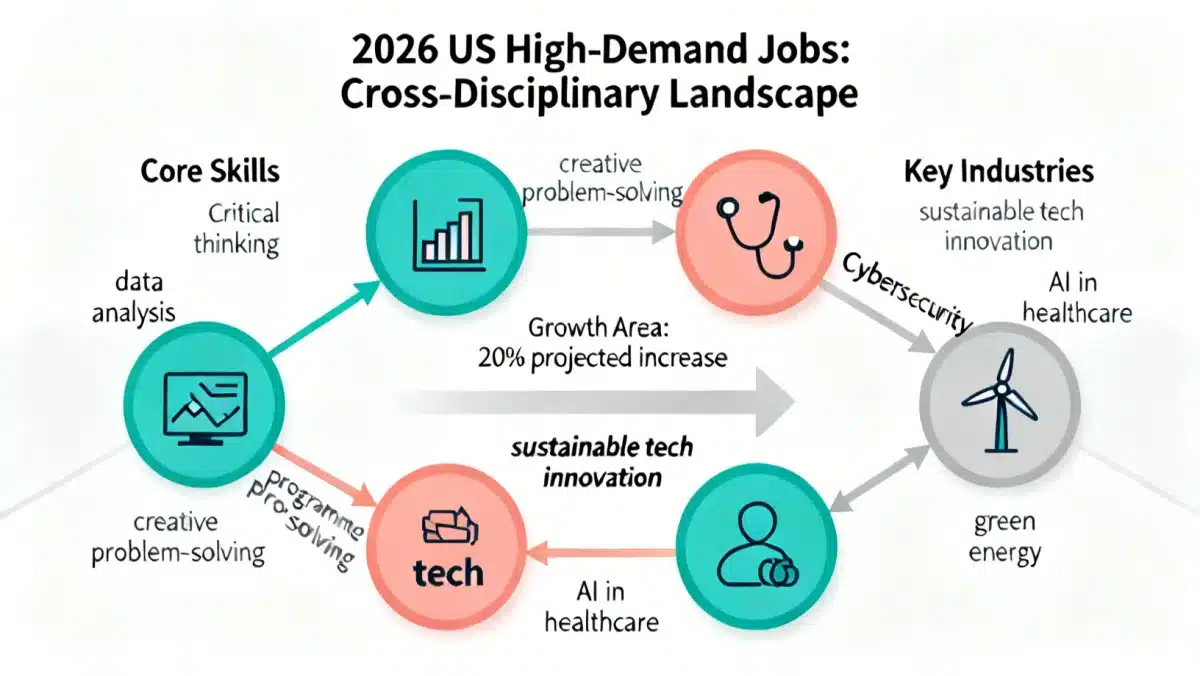
Consider interdisciplinary majors that combine elements from different fields, as these often prepare students for roles that require a broad skill set. For example, a major in “Bioinformatics” blends biology and computer science, opening doors to careers in genetic research and pharmaceutical development. Similarly, “Environmental Engineering” combines engineering principles with environmental science to address pressing ecological challenges.
Majors with Strong 2026 Outlook
- Computer Science & Data Analytics: Software development, cybersecurity, AI/ML engineering, data science.
- Healthcare & Biotechnology: Nursing, physical therapy, biomedical engineering, public health, medical research.
- Engineering (Specialized): Renewable energy engineering, robotics engineering, civil engineering with a focus on sustainable infrastructure.
- Business (Data-Driven): Marketing analytics, supply chain management, financial technology (FinTech).
Beyond the major itself, investigate the specific courses and concentrations available within programs. A strong curriculum that includes practical experience, such as internships or co-ops, will enhance your marketability. It’s not just the degree, but the practical application of knowledge that employers value most.
Considering Educational Pathways and Institutions
The choice of major is intrinsically linked to the educational pathway and the institution you select. Different colleges and universities excel in various fields, offering unique resources, faculty expertise, and industry connections. When pondering how to choose a major in 2026, it’s essential to research institutions that not only offer your desired major but also provide an environment conducive to your learning style and career aspirations.
Some institutions are renowned for their strong STEM programs, while others might be leaders in liberal arts, business, or specific vocational fields. Look at their faculty’s research, alumni networks, and career services support for your chosen field. The quality of these resources can significantly impact your academic experience and post-graduation opportunities. Furthermore, consider the flexibility of programs – can you easily switch majors, double major, or add minors that complement your primary focus?
Factors in Choosing an Institution
- Program Reputation: Research rankings and industry perception of specific departments.
- Faculty Expertise: Look for professors actively engaged in cutting-edge research or industry leadership.
- Experiential Learning Opportunities: Prioritize schools offering robust internships, co-op programs, and research opportunities.
- Alumni Network: A strong alumni base in your desired field can provide mentorship and job leads.
The cost of tuition and potential student debt should also be a significant consideration. While investing in education is crucial, ensure the potential return on investment (ROI) aligns with your financial comfort level. Explore scholarships, grants, and financial aid options to mitigate costs. Community colleges can also offer an excellent starting point, providing foundational courses at a lower cost before transferring to a four-year institution, allowing for more time to solidify your major choice.
Networking and Gaining Practical Experience
In today’s competitive landscape, simply earning a degree is often not enough. Gaining practical experience and building a professional network are vital components of how to choose a major in 2026 effectively and prepare for a successful career. These experiences provide real-world context for your academic pursuits, help you refine your interests, and often lead directly to job opportunities after graduation.
Internships, co-op programs, volunteer work, and part-time jobs related to your potential major can offer invaluable insights. They allow you to test out different roles and industries, confirming whether your chosen path truly aligns with your expectations. Such experiences not only enhance your resume but also help you develop critical soft skills like teamwork, communication, and problem-solving, which are highly valued by employers.
Strategies for Building Experience and Connections
- Internships and Co-ops: Actively seek out opportunities, even unpaid ones, to gain hands-on experience.
- Professional Organizations: Join student chapters of professional associations in your field to meet industry experts.
- Mentorship: Find mentors who can offer guidance, share insights, and introduce you to their networks.
- Informational Interviews: Conduct brief interviews with professionals to learn about their career paths and daily work.
Networking extends beyond formal events; it involves building genuine relationships with peers, professors, and industry professionals. Attend workshops, career fairs, and guest lectures. Leverage platforms like LinkedIn to connect with individuals in your desired fields. These connections can provide advice, open doors to hidden opportunities, and serve as valuable references as you progress through your academic and professional journey. Remember, every interaction is a chance to learn and grow your professional circle.
Flexibility and Adaptability in Your Educational Journey
The final, yet perhaps most critical, piece of insider knowledge for how to choose a major in 2026 is the importance of flexibility and adaptability. The world is changing at an unprecedented pace, and what seems like a high-demand field today might evolve significantly in just a few years. Your educational journey should not be a rigid, unchangeable path, but rather a dynamic process that allows for adjustments and growth.
Embrace the idea that your initial major choice might not be your final one. Many students change majors, double major, or add minors to broaden their skill sets. This flexibility is a strength, not a weakness, as it demonstrates your ability to respond to new information and emerging opportunities. Focus on acquiring foundational knowledge and transferable skills that can be applied across various disciplines and industries.
Cultivating Adaptability for Future Success
- Interdisciplinary Studies: Consider combining fields to create a unique and adaptable skill set.
- Lifelong Learning Mindset: Commit to continuous learning beyond your degree, staying updated with industry trends.
- Skill Stacking: Focus on acquiring a diverse range of skills, not just those directly related to your major.
- Openness to Change: Be prepared to pivot your career path as new opportunities arise or industries transform.
The goal is to become a versatile professional who can thrive in an uncertain future. A strong liberal arts foundation, for example, can complement a technical major by enhancing critical thinking, communication, and ethical reasoning – skills that are always in demand. Ultimately, your major is a starting point, not a destination. It’s the knowledge, skills, and experiences you accumulate throughout your education that will truly shape your career trajectory.
| Key Point | Brief Description |
|---|---|
| Market Analysis | Understand 2026 US job trends, focusing on tech, healthcare, and green sectors. |
| Self-Reflection | Align major with passions, strengths, and personal values for long-term satisfaction. |
| Experiential Learning | Gain practical experience through internships and networking to validate choices. |
| Adaptability | Cultivate flexibility and a lifelong learning mindset for evolving career paths. |
Frequently Asked Questions About Choosing a Major in 2026
AI is highly important. Many high-growth fields in 2026 will integrate AI, machine learning, and data analytics. Even non-tech majors can benefit significantly from understanding AI’s implications and developing related skills, making them more competitive in various industries.
Ideally, strike a balance. Pursuing a passion can lead to greater motivation and success. However, understanding job prospects ensures your passion can translate into a viable career. Look for majors that allow you to combine your interests with in-demand skills or consider minors/certifications.
Yes, absolutely. Liberal arts majors develop critical thinking, communication, and adaptability – skills increasingly valuable in a rapidly changing job market. Often, combining a liberal arts degree with a technical minor or practical experience creates a highly versatile and sought-after professional profile.
Explore internships, volunteer work, part-time jobs, or even online courses in areas of interest. These experiences provide real-world insights, helping you confirm or redirect your major choice. Informational interviews with professionals in various fields can also offer valuable perspectives and networking opportunities.
Changing majors is common and often beneficial. Many universities offer resources to help students explore options, and foundational courses often transfer. Focus on acquiring transferable skills and don’t view a major change as a setback, but rather an informed adjustment towards a more suitable path.
Conclusion
Navigating how to choose a major in 2026 is a journey that intertwines self-discovery with strategic foresight. By understanding the evolving US job market, assessing your personal strengths and passions, diligently researching high-growth fields, and embracing flexibility, you can make an informed decision that sets the stage for a fulfilling and prosperous career. Remember, your education is an investment in your future, and a well-chosen major, supported by practical experience and a commitment to lifelong learning, will serve as a robust foundation for success in an ever-changing world.
Autor