2026 Federal Benefits: Updates 1.5M Americans Need to Know
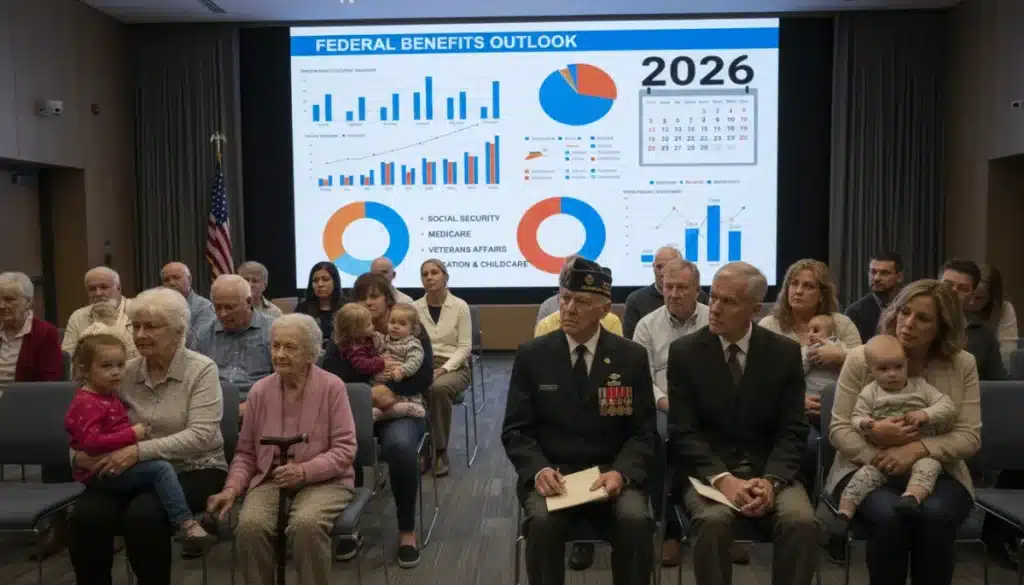
The 2026 federal benefits updates introduce crucial changes affecting over 1.5 million Americans, requiring immediate attention to new policies and eligibility criteria.
Decoding the 2026 Federal Benefits Updates: What 1.5 Million Americans Need to Know Now (RECENT UPDATES, INSIDER KNOWLEDGE) is more critical than ever. As we approach 2026, significant adjustments are on the horizon for various federal benefit programs, impacting millions of lives across the United States. Understanding these changes is not just about compliance; it’s about securing your financial future and accessing the support you rightfully deserve.
Understanding the landscape of 2026 federal benefits
The federal benefits landscape is a dynamic ecosystem, constantly evolving to meet the economic and social needs of the nation. For 2026, several key legislative actions and economic forecasts are driving significant changes, particularly affecting Social Security, Medicare, and veterans’ benefits. These adjustments are designed to ensure the long-term solvency of programs while addressing current demographic shifts and inflation.
Staying informed is the first step in navigating these complex changes. With over 1.5 million Americans directly impacted, the ripple effect of these updates will be felt across various communities. From new eligibility thresholds to revised payment schedules and expanded coverage options, each modification carries specific implications for beneficiaries and their families.
Key legislative drivers for 2026 changes
- Social Security Administration (SSA) adjustments: Anticipated cost-of-living adjustments (COLAs) will reflect inflation rates, potentially increasing monthly benefits for retirees and disabled individuals.
- Medicare Part B premium changes: Projections indicate potential shifts in Part B premiums and deductibles, influenced by healthcare spending trends and legislative mandates.
- Veterans Affairs (VA) expanded services: New initiatives are expected to broaden access to mental health services and specific healthcare treatments for veterans.
- Supplemental Security Income (SSI) modifications: Income and asset limits for SSI recipients may be updated to align with current economic indicators.
These legislative drivers underscore a proactive approach by federal agencies to adapt to a changing environment. Understanding the ‘why’ behind these updates can help beneficiaries anticipate and prepare for their personal impact. It’s not merely about the numbers; it’s about the underlying policy shifts that aim to strengthen these vital support systems for the future.
In conclusion, the 2026 federal benefits landscape is set for notable transformations. These changes, driven by legislative actions and economic realities, demand careful attention from all stakeholders. Being proactive in understanding these shifts is essential for maintaining financial stability and ensuring continued access to necessary support.
Social Security in 2026: What retirees and beneficiaries need to know
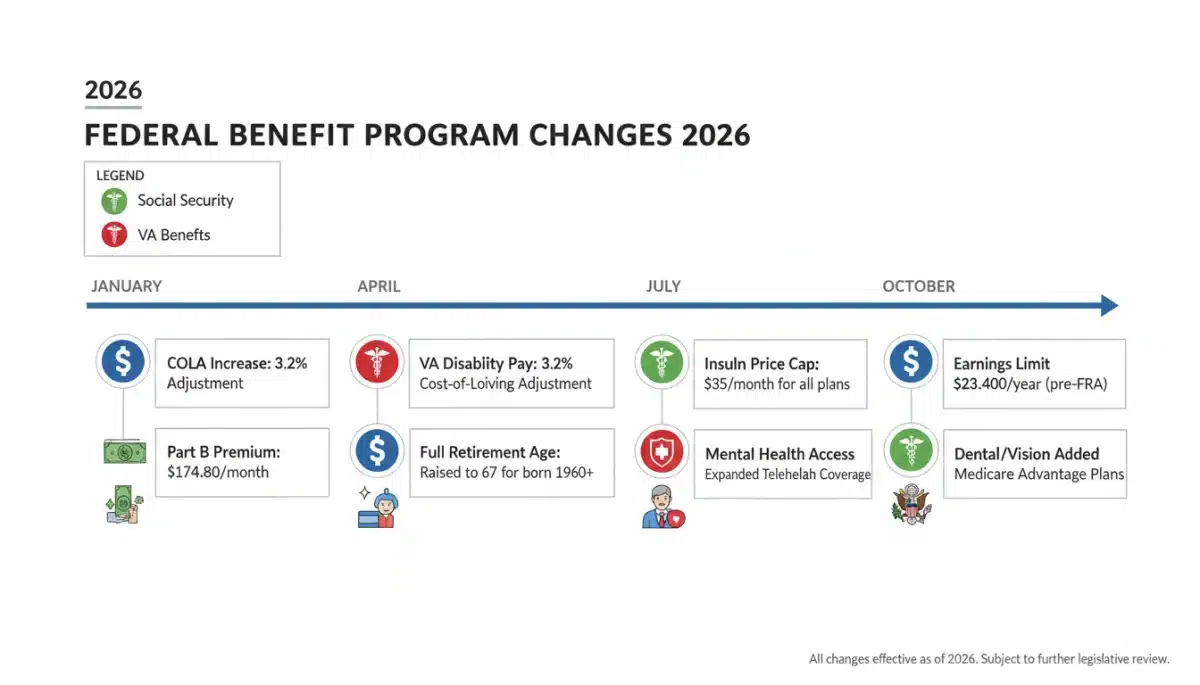
Social Security remains a cornerstone of financial security for millions of Americans, and 2026 brings important changes that beneficiaries, especially retirees, should be aware of. These updates typically involve Cost-of-Living Adjustments (COLAs), changes to the earnings test for those working while receiving benefits, and potential shifts in the full retirement age for future claimants. The aim is to ensure the program’s sustainability while providing adequate support.
Understanding these specific adjustments is crucial for financial planning. For current retirees, the COLA is often the most anticipated change, directly affecting their purchasing power. For those nearing retirement, knowing about potential shifts in full retirement age or earnings limits can influence their decision on when to claim benefits.
Anticipated cost-of-living adjustments (COLAs)
The COLA for 2026 will be determined by the Consumer Price Index for Urban Wage Earners and Clerical Workers (CPI-W) for the third quarter of 2025. While the exact percentage is not yet known, economic forecasts suggest a moderate increase to help beneficiaries keep pace with inflation. This adjustment is vital for maintaining the real value of benefits against rising costs of living.
Beneficiaries should look for official announcements from the Social Security Administration (SSA) later in 2025 to confirm the exact COLA. This information will be critical for budgeting and financial planning for the upcoming year. The COLA applies to all Social Security benefits, including retirement, disability, and survivor benefits.
Changes to earnings limits and taxation
For individuals who continue to work while receiving Social Security benefits before reaching full retirement age, the earnings limit is subject to annual adjustments. Exceeding this limit can result in a temporary reduction of benefits. In 2026, this limit is expected to increase, allowing beneficiaries to earn more without impacting their benefits.
- Increased earning thresholds: The amount you can earn before your benefits are reduced is likely to be higher, offering more flexibility for working retirees.
- Taxation of benefits: Depending on your combined income, a portion of your Social Security benefits may be subject to federal income tax. These income thresholds for taxation are also periodically reviewed.
These changes underscore the need for beneficiaries to review their income sources and consult with financial advisors to understand the full impact. The interaction between earnings, benefits, and taxes can be complex, and informed decisions are key to maximizing your financial well-being.
In summary, Social Security in 2026 will see adjustments aimed at balancing sustainability with beneficiary support. Key areas of focus include the COLA, earnings limits, and potential tax implications, all of which require careful consideration by current and future recipients.
Medicare updates for 2026: Navigating coverage and costs
Medicare, the federal health insurance program for individuals aged 65 or older, and younger people with certain disabilities, is also undergoing important revisions for 2026. These updates will primarily affect premiums, deductibles, and covered services across its various parts: A, B, C, and D. Understanding these changes is paramount for beneficiaries to effectively manage their healthcare costs and ensure they have adequate coverage.
The Centers for Medicare & Medicaid Services (CMS) continually evaluates the program’s financial health and service delivery. The upcoming changes aim to enhance patient access to care while striving for financial stability in the face of rising healthcare expenditures. Beneficiaries must pay close attention to official announcements to prepare for any financial or coverage adjustments.
Part B premiums and deductibles outlook
Medicare Part B, which covers doctor visits and outpatient care, typically sees annual adjustments to its premiums and deductibles. For 2026, projections suggest potential increases in both, influenced by factors such as healthcare utilization, prescription drug costs, and legislative mandates. These changes can significantly impact out-of-pocket expenses for millions of enrollees.
Beneficiaries are encouraged to review their annual enrollment information carefully. This includes understanding how their income level might affect their Part B premium through the Income-Related Monthly Adjustment Amount (IRMAA). Being aware of these potential cost shifts allows for better financial planning and budgeting for healthcare expenses.
Expanded coverage and prescription drug reforms
Beyond costs, 2026 may bring expansions in Medicare coverage, particularly in areas like preventive care, mental health services, and specific chronic disease management programs. These enhancements are designed to improve overall health outcomes and address critical gaps in care. Additionally, ongoing prescription drug reforms under Medicare Part D aim to lower out-of-pocket costs for beneficiaries, especially those with high drug expenditures.
These reforms could include:
- Lowering caps on out-of-pocket drug costs: Aiming to protect beneficiaries from exorbitant annual prescription drug expenses.
- Negotiating drug prices: CMS may have increased authority to negotiate prices for certain high-cost drugs, potentially leading to savings.
- Expanded access to generic medications: Initiatives to encourage the use of generics to reduce overall drug spending.
These coverage enhancements and drug reforms represent a significant effort to make Medicare more affordable and comprehensive. Staying informed about these changes is essential for maximizing the benefits available and making informed healthcare decisions.
In conclusion, Medicare in 2026 will present a mix of financial adjustments and coverage enhancements. Beneficiaries must proactively engage with official Medicare resources to understand how these updates will affect their premiums, deductibles, and access to vital healthcare and prescription drug benefits.
Veterans’ benefits in 2026: Enhancements and eligibility shifts
For the nation’s veterans, 2026 is poised to bring notable enhancements and potential shifts in eligibility criteria across various benefits administered by the Department of Veterans Affairs (VA). These updates often encompass changes to disability compensation, healthcare services, educational assistance, and housing programs. The overarching goal is to ensure that veterans and their families receive the support they have earned, adapting to their evolving needs and service-related challenges.
The VA continuously reviews its programs to better serve the veteran community. Upcoming changes are frequently driven by new legislation, such as the Honoring Our Promise to Address Comprehensive Toxics (PACT) Act, or by ongoing efforts to streamline services and expand access. Awareness of these specific updates is vital for veterans to fully leverage their entitlements.
Disability compensation and pension adjustments
Veterans receiving disability compensation or pension benefits can anticipate annual adjustments, typically tied to the same Cost-of-Living Adjustment (COLA) applied to Social Security benefits. This ensures that the purchasing power of these benefits is maintained against inflation. For 2026, a moderate COLA is expected, providing a slight increase to monthly payments.
Beyond the COLA, there may be specific legislative changes impacting eligibility for certain disability ratings or expanding the list of presumptive conditions for service-connected disabilities. Veterans should regularly check the VA’s official website for the most current information regarding these adjustments.
Expanded healthcare access and mental health support
A significant focus for the VA in 2026 is the continued expansion of healthcare access, particularly in rural areas and for specialized services. This includes initiatives to reduce wait times, increase the number of available providers, and enhance telehealth options. Mental health support remains a top priority, with efforts to integrate more comprehensive mental health and suicide prevention programs into primary care settings.
- Telehealth expansion: Greater availability of virtual appointments to improve access for veterans in remote locations.
- Increased specialized care: Enhanced services for conditions such as traumatic brain injury (TBI) and post-traumatic stress disorder (PTSD).
- Caregiver support programs: Potential expansions or modifications to programs that assist caregivers of severely injured veterans.
These healthcare advancements aim to provide veterans with more timely and effective care, addressing both their physical and mental well-being. Keeping abreast of these service expansions can help veterans and their families navigate the VA healthcare system more efficiently.
In conclusion, veterans’ benefits in 2026 are set for positive adjustments, particularly in compensation and healthcare services. Staying informed through official VA channels is crucial for veterans to understand how these enhancements and potential eligibility shifts will impact their access to vital support.
Understanding new eligibility criteria for federal assistance programs
As part of the 2026 federal budget allocations, several assistance programs may introduce new or revised eligibility criteria. These changes are often implemented to better target aid to those most in need, adapt to economic shifts, or streamline administrative processes. Programs such as Supplemental Security Income (SSI), Temporary Assistance for Needy Families (TANF), and various housing and food assistance initiatives are regularly reviewed for such modifications. For 1.5 million Americans, understanding these new criteria is paramount to maintaining or gaining access to critical support.
Eligibility for federal assistance is typically based on income, assets, household size, and specific needs. Any alteration to these parameters can have a significant impact on beneficiaries. It is essential for individuals and families to proactively assess their current situation against the updated requirements to avoid any disruption in their benefits.
Income and asset limit adjustments
One of the most common adjustments in federal assistance programs involves changes to income and asset limits. These limits dictate who qualifies for aid based on their financial resources. For 2026, it is anticipated that some programs will update these thresholds to reflect current economic realities, including inflation and average wage growth. This means that individuals who were previously just above or below the limit might find their eligibility status changed.
Applicants and current beneficiaries should review the specific income and asset limits for each program they are interested in or currently receiving. Official government websites and local assistance offices are the best sources for the most up-to-date information. Understanding these figures is crucial for accurate self-assessment and application processes.
Changes to household composition and dependency rules
Beyond financial thresholds, eligibility can also be affected by changes in household composition and dependency rules. Federal assistance programs often consider the number of individuals in a household, their relationships, and whether they are financially dependent on the applicant. For 2026, there might be refinements in how these factors are assessed, potentially impacting who qualifies and the level of benefits received.
- Definition of ‘household’: Clarifications or adjustments to who counts as a member of the household for benefit calculation purposes.
- Dependency criteria: Revisions to the rules for claiming dependents, affecting benefit amounts for families.
- Reporting requirements: Emphasis on timely and accurate reporting of changes in household circumstances to avoid overpayments or benefit interruptions.
These changes highlight the importance of meticulous record-keeping and prompt communication with administering agencies. Any alteration in family structure or living arrangements should be reported to ensure continued eligibility and correct benefit allocation.
In conclusion, new eligibility criteria for federal assistance programs in 2026 will require careful attention to updated income, asset, household composition, and dependency rules. Proactive engagement with official resources is vital for beneficiaries to understand and adapt to these changes, securing their access to essential support.
Insider knowledge: Tips for navigating the 2026 federal benefits landscape
Navigating the evolving federal benefits landscape for 2026 requires more than just knowing the updates; it demands strategic planning and access to insider knowledge. For the 1.5 million Americans impacted, proactive engagement and understanding the nuances of these changes can make a significant difference in securing and maximizing their benefits. This section offers practical tips and insights to help you confidently approach the upcoming year, ensuring you are well-prepared for any adjustments.
Effective navigation involves staying informed, organizing your documentation, and knowing when and where to seek expert advice. The complexity of federal programs means that a one-size-fits-all approach is rarely effective, necessitating a personalized strategy for each beneficiary.
Proactive engagement and reliable resources
The most crucial tip is to be proactive. Do not wait for benefits to be affected before seeking information. Regularly check official government websites for updates, such as the Social Security Administration (SSA), Centers for Medicare & Medicaid Services (CMS), and Department of Veterans Affairs (VA). These are the most reliable sources for accurate and timely information.
Consider subscribing to newsletters or alerts from these agencies. Attending virtual or in-person informational sessions, if available, can also provide valuable insights and opportunities to ask specific questions. Relying on unofficial sources can lead to misinformation and poor decision-making.
Document organization and expert consultation
Maintaining organized records of all your benefit-related documents is essential. This includes correspondence from federal agencies, medical records, financial statements, and any other relevant paperwork. Well-organized documents can expedite application processes, appeals, or inquiries, saving you time and stress.
- Create a dedicated benefits folder: Keep all physical and digital documents in one easily accessible location.
- Review statements regularly: Check your Social Security statements, Medicare summaries, and VA benefit letters for accuracy.
- Seek professional advice: For complex situations, consult with a financial advisor specializing in retirement planning, an elder law attorney, or a VA accredited representative.
These professionals can provide personalized guidance, helping you understand how specific changes apply to your unique circumstances and assisting with strategic planning. Their expertise can be invaluable in optimizing your benefits and avoiding potential pitfalls.
In conclusion, successfully navigating the 2026 federal benefits landscape hinges on proactive engagement with reliable resources, meticulous document organization, and strategic consultation with experts. These insider tips empower beneficiaries to make informed decisions and secure their financial and healthcare futures.
Impact on specific demographics: Seniors, veterans, and low-income families
The 2026 federal benefits updates will not impact all Americans equally. Specific demographic groups, including seniors, veterans, and low-income families, are often disproportionately affected by changes to Social Security, Medicare, VA benefits, and various assistance programs. Understanding these differential impacts is crucial for tailoring advice and support to those who need it most. The goal of many federal programs is to provide a safety net, and any adjustments can significantly alter the stability of these vulnerable populations.
These groups often rely heavily on federal benefits for their basic needs, healthcare, and overall financial well-being. Therefore, even minor changes can have profound effects, necessitating a focused approach to information dissemination and support services.
Seniors and retirement planning
Seniors, particularly those on fixed incomes, will be closely watching the Social Security Cost-of-Living Adjustment (COLA) and Medicare Part B premium changes. A higher COLA is beneficial, but if Medicare premiums rise significantly, it can offset much of that gain. For those still working, changes to Social Security earnings limits will influence their ability to supplement retirement income without affecting benefits.
Retirement planning in 2026 must account for these variables. Seniors should re-evaluate their budgets and, if possible, explore additional income streams or savings strategies to buffer against potential increases in healthcare costs or slower-than-expected benefit growth. Financial literacy and proactive planning are key.
Veterans and service-related support
Veterans, especially those with service-connected disabilities, will be impacted by adjustments to disability compensation and expanded healthcare services. The continued implementation of acts like the PACT Act will broaden presumptive conditions, potentially extending benefits to more veterans. However, navigating the VA system can be complex, and any changes in application processes or eligibility criteria will require close attention.
Veterans’ service organizations play a vital role in helping this demographic understand and apply for benefits. They can provide invaluable assistance in interpreting new regulations and advocating on behalf of veterans, ensuring they receive all the support they are entitled to.
Low-income families and essential assistance programs
Low-income families are particularly sensitive to changes in programs like Supplemental Security Income (SSI), Temporary Assistance for Needy Families (TANF), and food assistance programs. Adjustments to income and asset limits, or changes in eligibility for household composition, can directly affect their ability to access essential support for housing, food, and childcare.
- Local outreach programs: These programs are crucial for informing low-income families about changes and assisting with applications.
- Community resource centers: Often provide guidance and support for navigating multiple assistance programs simultaneously.
- Advocacy groups: Work to ensure that federal benefit changes do not inadvertently create greater hardship for vulnerable families.
For these families, staying connected with local support networks and being aware of any new application requirements or deadlines is paramount to maintaining their safety net.
In conclusion, the 2026 federal benefits updates will have distinct impacts on seniors, veterans, and low-income families. A targeted approach to information and support, leveraging both official channels and community resources, is essential to help these demographics effectively navigate the changes and secure their vital benefits.
| Key Program Area | 2026 Update Snapshot |
|---|---|
| Social Security | Anticipated COLA increases and adjustments to earnings limits for working beneficiaries. |
| Medicare | Potential shifts in Part B premiums and deductibles, alongside expanded coverage and prescription drug reforms. |
| Veterans’ Benefits | Expected COLA for disability compensation and expanded access to healthcare and mental health services. |
| Federal Assistance | Adjustments to income/asset limits and household composition rules for various programs. |
Frequently asked questions about 2026 federal benefits
Major federal benefit programs anticipating updates in 2026 include Social Security (retirement, disability, survivor benefits), Medicare (Parts A, B, C, D), Veterans’ benefits (disability compensation, healthcare, education), and various federal assistance programs like SSI and TANF. These changes are designed to reflect economic shifts and legislative mandates.
The 2026 Cost-of-Living Adjustment (COLA) for Social Security will likely result in an increase in your monthly payments, helping to offset inflation. The exact percentage will be announced by the Social Security Administration (SSA) in late 2025, based on the Consumer Price Index. This adjustment applies to all types of Social Security benefits.
Medicare Part B premiums and deductibles for 2026 are subject to annual adjustments, often influenced by healthcare spending and legislative actions. While specifics are yet to be finalized, beneficiaries should anticipate potential increases. Income-related monthly adjustment amounts (IRMAA) may also shift, impacting higher-income individuals.
Yes, veterans’ disability compensation is expected to receive a Cost-of-Living Adjustment (COLA) for 2026, mirroring the Social Security COLA. Additionally, legislative efforts like the PACT Act may continue to expand the list of presumptive conditions, potentially qualifying more veterans for service-connected benefits and increasing their compensation.
For official and most accurate information, you should consult the government agencies directly. These include the Social Security Administration (SSA.gov), the Centers for Medicare & Medicaid Services (CMS.gov), and the Department of Veterans Affairs (VA.gov). Regularly checking their websites and subscribing to their newsletters is highly recommended.
Conclusion
The upcoming 2026 federal benefits updates represent a critical juncture for over 1.5 million Americans relying on these essential programs. From anticipated Social Security COLAs and Medicare premium adjustments to expanded veterans’ services and revised eligibility criteria for federal assistance, staying informed is paramount. Proactive engagement with official resources, meticulous record-keeping, and seeking expert advice are not just recommendations but necessities for navigating these changes successfully. By understanding the specifics of these updates, individuals and families can make informed decisions, secure their financial well-being, and ensure continued access to the vital support systems designed to protect and serve them.
Autor