2026 WIC Program Updates: New Benefits for 6 Million
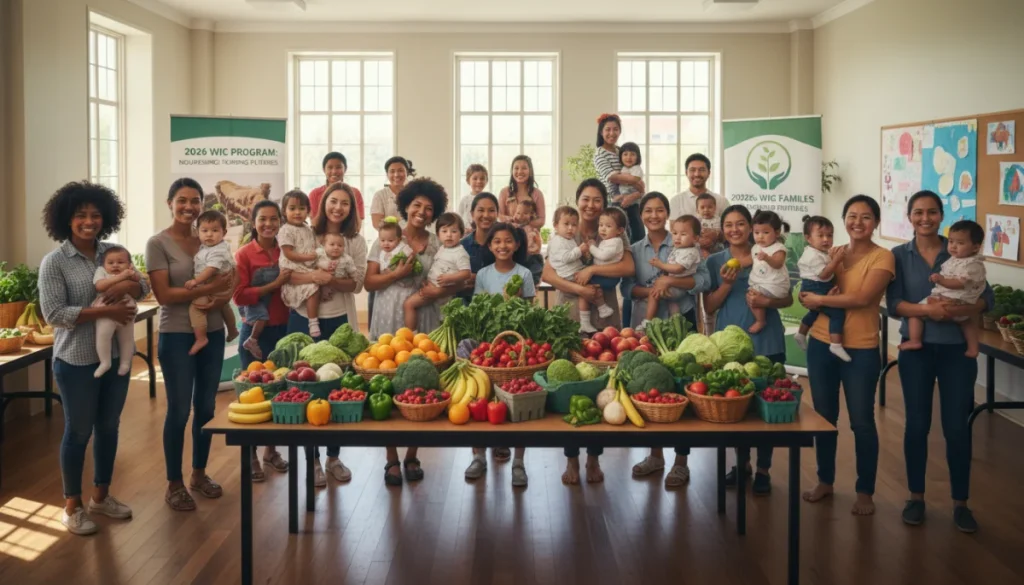
The 2026 WIC Program Updates introduce expanded food benefits and broader eligibility criteria, aiming to provide essential nutritional support to an additional 6 million low-income women, infants, and children across the United States.
Understanding the 2026 WIC Program Updates is crucial for millions of families seeking nutritional support. These significant changes promise to expand access to vital food benefits and eligibility, impacting an estimated 6 million women, infants, and children across the nation. This article will delve into the recent updates, offering practical solutions and insights into how these changes will improve family well-being.
Understanding the Core Mission of WIC in 2026
The Special Supplemental Nutrition Program for Women, Infants, and Children (WIC) has long served as a cornerstone of public health initiatives in the United States. Its fundamental goal is to safeguard the health of low-income pregnant, breastfeeding, and non-breastfeeding postpartum women, and infants and children up to age five who are at nutritional risk. In 2026, the program’s core mission remains steadfast, but its reach and effectiveness are being significantly enhanced through a series of crucial updates.
These updates are not merely administrative tweaks; they represent a concerted effort to adapt WIC to contemporary nutritional science, address persistent food insecurity, and streamline access for eligible families. The focus is on providing a wider array of healthy food options and ensuring that the program’s benefits align with the latest dietary recommendations, ultimately fostering healthier starts for young families.
Evolution of WIC’s Impact
- Historical Context: Since its inception, WIC has played a vital role in reducing infant mortality, improving birth outcomes, and promoting healthy child development.
- Adapting to Needs: The program continuously evolves, incorporating feedback from participants and advancements in nutritional research to maximize its impact.
- Community Integration: WIC operates through a network of local clinics and agencies, providing personalized support beyond just food benefits, including nutrition education and breastfeeding support.
The 2026 updates are a testament to this ongoing evolution, ensuring that WIC remains a dynamic and responsive program. By strengthening its core mission, WIC aims to build healthier communities and reduce health disparities across the country, making a tangible difference in the lives of vulnerable populations.
Expanded Eligibility Criteria: Reaching More Families
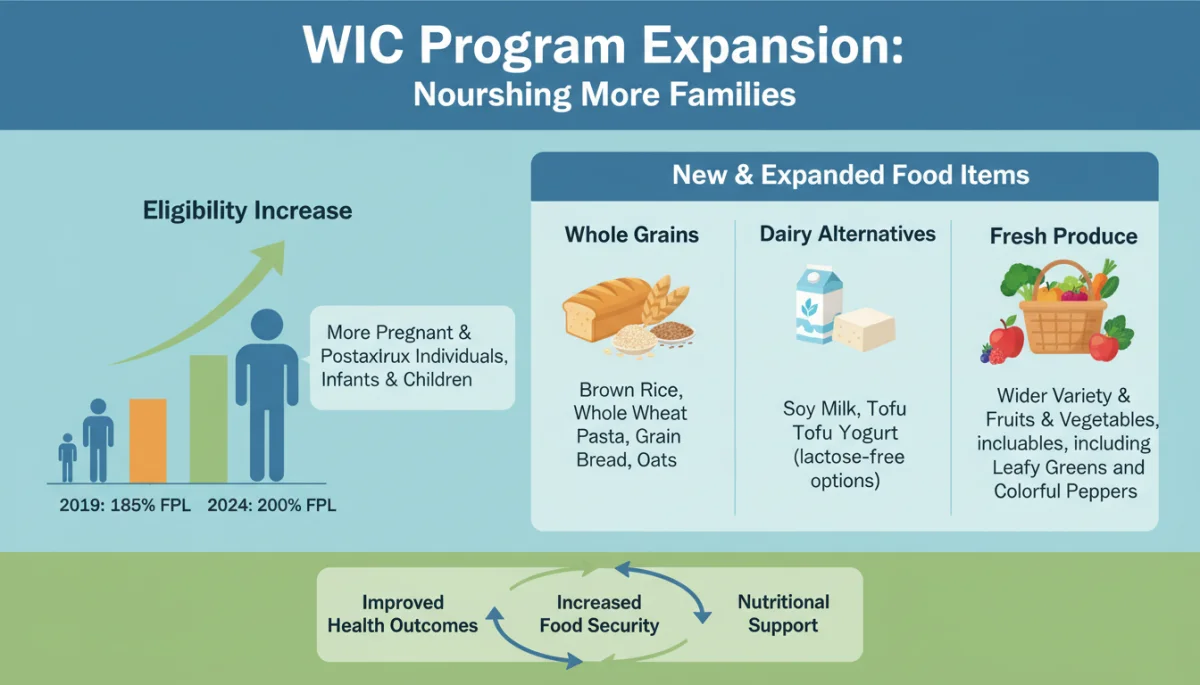
One of the most impactful aspects of the 2026 WIC Program Updates is the significant expansion of eligibility criteria. This change is projected to bring an additional 6 million individuals into the program, addressing critical gaps in nutritional support for many families who previously fell outside the income thresholds or specific categorical requirements. This expansion reflects a deeper understanding of economic realities and the pervasive nature of food insecurity.
The revised guidelines aim to be more inclusive, acknowledging that financial hardship can manifest in various ways and affect a broader spectrum of the population. By broadening who qualifies, WIC can extend its preventive health benefits to more pregnant women, new mothers, infants, and young children, ensuring they receive essential nutrients during critical developmental stages.
Key Changes in Eligibility
- Increased Income Thresholds: Federal poverty guidelines used for WIC eligibility have been adjusted, allowing families with slightly higher incomes to qualify.
- Broader Categorical Eligibility: Certain groups, such as foster children or individuals participating in other specific assistance programs, may now automatically qualify for WIC.
- Simplified Application Process: Efforts are underway to streamline the application and recertification processes, making it easier for eligible families to enroll and maintain their benefits.
These changes are designed to remove barriers to access, ensuring that the program can effectively serve its target population. The expansion is a proactive step towards mitigating the long-term health and economic consequences of inadequate nutrition in early life, fostering a stronger, healthier future for millions of American families.
Enhanced Food Benefits: What’s New on the Menu?
The 2026 WIC Program Updates introduce substantial enhancements to the food benefits package, reflecting the latest dietary science and a commitment to providing participants with a wider variety of nutritious options. These changes move beyond basic staples, incorporating a greater emphasis on fresh produce, whole grains, and culturally appropriate foods. The goal is to empower families to make healthier choices and to better meet the diverse nutritional needs of growing children and expectant mothers.
The revised food list is a direct response to research highlighting the importance of a varied diet for optimal health and development. By expanding the range of approved foods, WIC aims to combat diet-related diseases and improve overall dietary quality for its participants, making healthy eating more accessible and appealing.
Specific Additions to the Food List
- Increased Cash Value Benefit (CVB) for Fruits and Vegetables: A significant boost to the CVB allows families to purchase more fresh, frozen, and canned fruits and vegetables.
- Expanded Whole Grain Options: More types of whole-wheat bread, tortillas, pasta, and brown rice are now approved, promoting fiber intake.
- Dairy Alternatives: For participants with lactose intolerance or allergies, a broader selection of plant-based milk alternatives, such as soy or almond milk, that meet specific nutritional standards will be available.
- Culturally Relevant Foods: The program is working to include more food items that are culturally relevant to WIC participants, ensuring greater acceptance and utilization of benefits.
These enhanced food benefits are a critical component of the 2026 updates, ensuring that WIC participants receive a comprehensive nutritional foundation. The expanded choices not only improve health outcomes but also contribute to food security and dietary diversity within participating households.
Navigating the Application Process in 2026
For families looking to benefit from the 2026 WIC Program Updates, understanding the application process is key. While the program aims for greater accessibility, there are still specific steps and documentation required to enroll. The good news is that many states are working to streamline these procedures, making it less daunting for potential participants. The process typically involves contacting a local WIC agency, gathering necessary documents, and attending an appointment.
It is important to remember that WIC is designed to be supportive, and local staff are generally available to guide applicants through each stage. Proactive preparation can significantly ease the application journey, ensuring that eligible families can quickly access the benefits they need.
Steps to Apply for WIC
- Locate Your Local WIC Agency: Use online resources or state health department websites to find the WIC clinic closest to you.
- Gather Required Documents: This typically includes proof of identity (for all family members applying), proof of residency, and proof of income. Acceptable documents vary by state but often include driver’s licenses, utility bills, pay stubs, or tax returns.
- Schedule an Appointment: Contact your local WIC clinic to schedule an appointment. During this appointment, eligibility will be determined, and nutrition education will be provided.
- Attend the Appointment: Be prepared to discuss your family’s health and nutritional needs. A health assessment will be conducted, and benefits will be issued if eligible.
Navigating the application process can seem complex, but with the right information and support, it becomes a manageable step towards securing vital nutritional assistance. The 2026 updates are designed to make this journey smoother for the millions of new and existing WIC participants.
Practical Solutions for Maximizing WIC Benefits
Beyond simply enrolling in the 2026 WIC Program, participants can adopt several practical strategies to maximize the impact of their benefits. Understanding how to best utilize the enhanced food package, engage with nutrition education, and connect with community resources can significantly improve overall family health and well-being. WIC is more than just a food voucher program; it’s a comprehensive support system.
Making informed choices at the grocery store, actively participating in nutrition counseling, and leveraging the program’s additional services can empower families to make lasting healthy changes. The goal is to move beyond short-term assistance to foster long-term nutritional health.
Tips for Effective WIC Utilization
- Plan Your Shopping: Create a shopping list based on your WIC benefits and meal plans to ensure you purchase all eligible items.
- Attend Nutrition Education Sessions: These sessions offer valuable information on healthy eating, meal preparation, and budgeting, tailored to your family’s needs.
- Utilize Breastfeeding Support: WIC provides peer counselors and lactation consultants to help mothers successfully breastfeed, offering crucial support and resources.
- Connect with Local Resources: WIC clinics often provide referrals to other essential services, such as healthcare, immunizations, and child care, creating a holistic support network.
By actively engaging with all aspects of the WIC program, families can fully leverage the 2026 updates to improve their nutritional status and overall quality of life. These practical solutions are designed to help participants get the most out of their benefits.
Impact on Public Health and Future Outlook
The 2026 WIC Program Updates are poised to have a profound and far-reaching impact on public health across the United States. By expanding eligibility and enhancing food benefits for an additional 6 million individuals, the program directly addresses critical issues like childhood malnutrition, maternal health disparities, and long-term chronic disease prevention. The investment in early nutrition is an investment in the nation’s future, laying the groundwork for healthier generations.
Looking ahead, these updates underscore a commitment to evidence-based policy and a recognition of the vital role that nutrition plays in societal well-being. The anticipated outcomes include not only improved individual health but also broader positive effects on educational attainment and economic productivity.
Projected Benefits and Long-Term Goals
- Reduced Health Disparities: By targeting vulnerable populations, WIC helps to close gaps in health outcomes between different socioeconomic groups.
- Improved Child Development: Adequate nutrition in early life is crucial for cognitive development and academic success, leading to better educational trajectories.
- Lower Healthcare Costs: Preventing nutrition-related illnesses in early childhood can lead to significant savings in healthcare expenditures over time.
- Stronger Communities: Healthier families contribute to more vibrant and resilient communities, fostering a cycle of well-being.
The 2026 WIC Program Updates represent a significant step forward in public health, demonstrating how targeted nutritional interventions can yield substantial benefits for individuals and society as a whole. The future outlook for WIC is one of continued growth and enhanced support for millions of American families.
| Key Update | Brief Description |
|---|---|
| Expanded Eligibility | New criteria will enable an additional 6 million individuals to qualify for WIC benefits. |
| Enhanced Food Benefits | Increased Cash Value Benefit for fruits/vegetables and broader food options. |
| Simplified Application | Efforts to streamline the enrollment and recertification processes for families. |
| Public Health Impact | Expected improvements in maternal and child health, reducing disparities. |
Frequently Asked Questions About the 2026 WIC Program Updates
Eligibility for the 2026 WIC Program now includes pregnant, breastfeeding, and postpartum women, infants, and children up to age five who meet revised income guidelines and are at nutritional risk. The updates aim to reach an additional 6 million individuals by broadening income thresholds and categorical qualifications.
The 2026 WIC food package enhancements include a significant increase in the Cash Value Benefit for fruits and vegetables, expanded options for whole grains, and the inclusion of nutritionally appropriate dairy alternatives. The goal is to offer a wider, more diverse array of healthy and culturally relevant foods.
To apply for WIC benefits under the 2026 updates, locate your nearest WIC clinic, gather necessary documents (proof of identity, residency, and income), and schedule an appointment. WIC staff will guide you through the eligibility determination and enrollment process.
The 2026 WIC Program Updates are expected to significantly improve public health by reducing health disparities, enhancing maternal and child nutrition, and fostering better long-term health outcomes. These changes aim to prevent nutrition-related illnesses and support healthier development for millions of children.
Yes, WIC participants can maximize their benefits by attending nutrition education sessions, utilizing breastfeeding support services, planning grocery trips, and connecting with local WIC clinics for referrals to other essential community resources. These strategies help ensure comprehensive support beyond just food assistance.
Conclusion
The 2026 WIC Program Updates represent a pivotal moment in the ongoing effort to combat food insecurity and promote public health in the United States. By expanding eligibility to an additional 6 million individuals and enhancing the food benefits package, WIC is poised to provide crucial nutritional support to more pregnant women, new mothers, infants, and young children than ever before. These strategic changes reflect a commitment to evidence-based nutrition and a holistic approach to family well-being, fostering healthier starts and laying the groundwork for stronger communities across the nation. Families are encouraged to explore these updates and leverage the comprehensive resources WIC offers.
Autor