Federal Agency Cyberattack: 500,000 Employees Affected
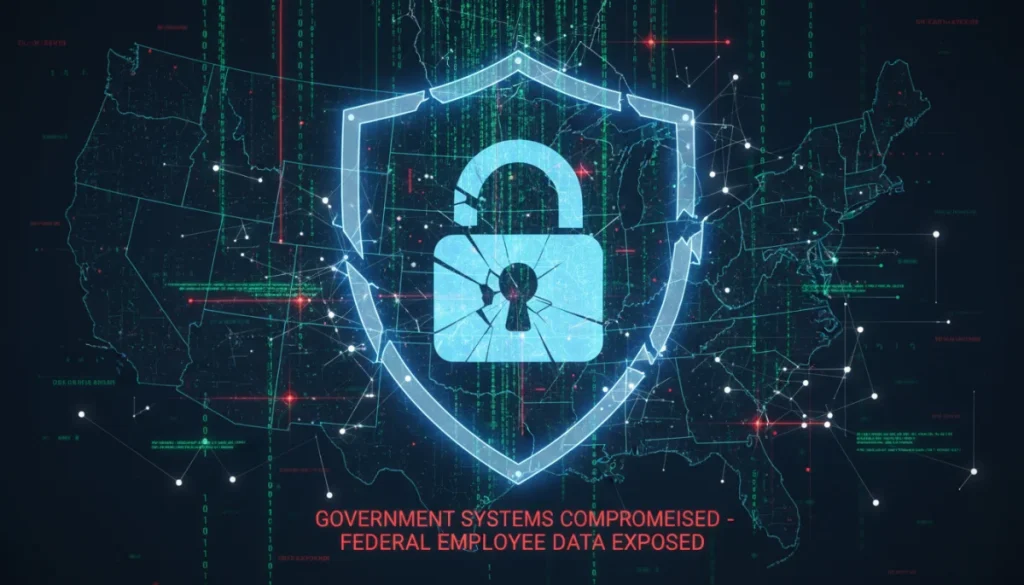
Early 2026 witnessed a significant cyberattack on federal agencies, resulting in a data breach impacting 500,000 government employees, demanding immediate national security attention.
The recent revelation of a federal agency cyberattack has sent ripples through the nation, confirming that a substantial data breach affected 500,000 government employees in early 2026. This incident underscores the ever-present and escalating threats to national digital infrastructure and personal security.
The Anatomy of the Early 2026 Federal Cyberattack
The early 2026 cyberattack on several federal agencies represents a critical juncture in the ongoing battle against digital espionage and malicious intrusions. This sophisticated breach, which compromised sensitive data belonging to half a million government employees, highlights the evolving tactics of cyber adversaries and the persistent vulnerabilities within even the most protected systems. Understanding the methods employed by the attackers is crucial for developing more robust defenses.
Initial Breach Vectors
Investigators are piecing together how the attackers gained initial access. Early reports suggest a multi-pronged approach, possibly involving phishing campaigns targeting high-value individuals within federal departments, coupled with exploitation of previously unknown software vulnerabilities. This dual-vector strategy allowed for deeper penetration and persistence within the networks.
- Phishing Campaigns: Highly sophisticated emails, tailored to mimic legitimate communications, tricked employees into revealing credentials.
- Zero-Day Exploits: Unpatched vulnerabilities in widely used government software were likely leveraged, providing an undetected entry point.
- Supply Chain Attacks: Compromise of third-party vendors who supply software or services to federal agencies might have also played a role, creating a backdoor.
The complexity of the attack indicates a well-resourced and determined adversary, likely state-sponsored, given the target and the scale of the data exfiltration. The initial breach was not an isolated event but rather the first step in a prolonged campaign designed to maximize data harvesting.
The swiftness with which the attackers moved once inside the network is also a key area of study. They demonstrated an intimate knowledge of network architecture, allowing them to navigate through various departments and identify critical data repositories. This level of reconnaissance before the full-scale data exfiltration points to a long-term planning phase by the perpetrators.
In conclusion, the early 2026 federal cyberattack was a meticulously planned operation that exploited both human vulnerabilities and technical weaknesses. Its success underscores the need for continuous vigilance and proactive security measures across all federal digital assets.
Impact on 500,000 Government Employees: A Personal and Professional Crisis
The personal toll of the data breach on 500,000 government employees cannot be overstated. Beyond the immediate shock and concern, individuals now face the daunting prospect of identity theft, financial fraud, and potential targeting by foreign adversaries. The compromised data likely includes personally identifiable information (PII), sensitive employment records, and possibly even security clearance details.
Types of Data Compromised
While a full inventory is still underway, preliminary assessments suggest a wide range of sensitive data was exfiltrated. This includes, but is not limited to, names, addresses, Social Security numbers, dates of birth, financial account details, and potentially even health information. Such a comprehensive dataset provides ample material for various nefarious activities.
- Personally Identifiable Information (PII): Names, addresses, Social Security Numbers, dates of birth, and contact information.
- Employment Records: Salary details, performance reviews, and internal communications.
- Security Clearance Information: Potentially exposing vulnerabilities that could be exploited for espionage.
The psychological impact on affected employees is also a significant concern. Many are now grappling with anxiety and uncertainty, fearing the repercussions of their personal data being in the hands of malicious actors. Federal agencies are working to provide support and resources, but the scale of the breach makes this a monumental task.
Professionally, the breach could lead to a loss of trust between employees and their agencies, impacting morale and productivity. Furthermore, the compromised data could be used to craft highly targeted spear-phishing attacks against these individuals in the future, increasing the risk of re-infection or further data loss. The long-term implications for career progression and personal safety are still being evaluated.
Ultimately, the impact extends beyond individual employees to the broader federal workforce, demanding robust support systems and enhanced security training to mitigate future risks and rebuild confidence.
National Security Implications of the Data Breach
The data breach’s national security implications are profound and far-reaching. When information pertaining to half a million government employees is compromised, it creates a rich target for foreign intelligence services and other malicious entities. This breach could potentially expose agents, compromise ongoing operations, and provide adversaries with valuable insights into federal structures and personnel.
Potential for Espionage and Exploitation
The exfiltrated data can be meticulously analyzed to identify patterns, relationships, and vulnerabilities among federal employees. This intelligence can then be used for targeted recruitment, blackmail, or to gain access to even more sensitive systems. The threat of espionage is significantly heightened when adversaries possess such detailed personal and professional information.
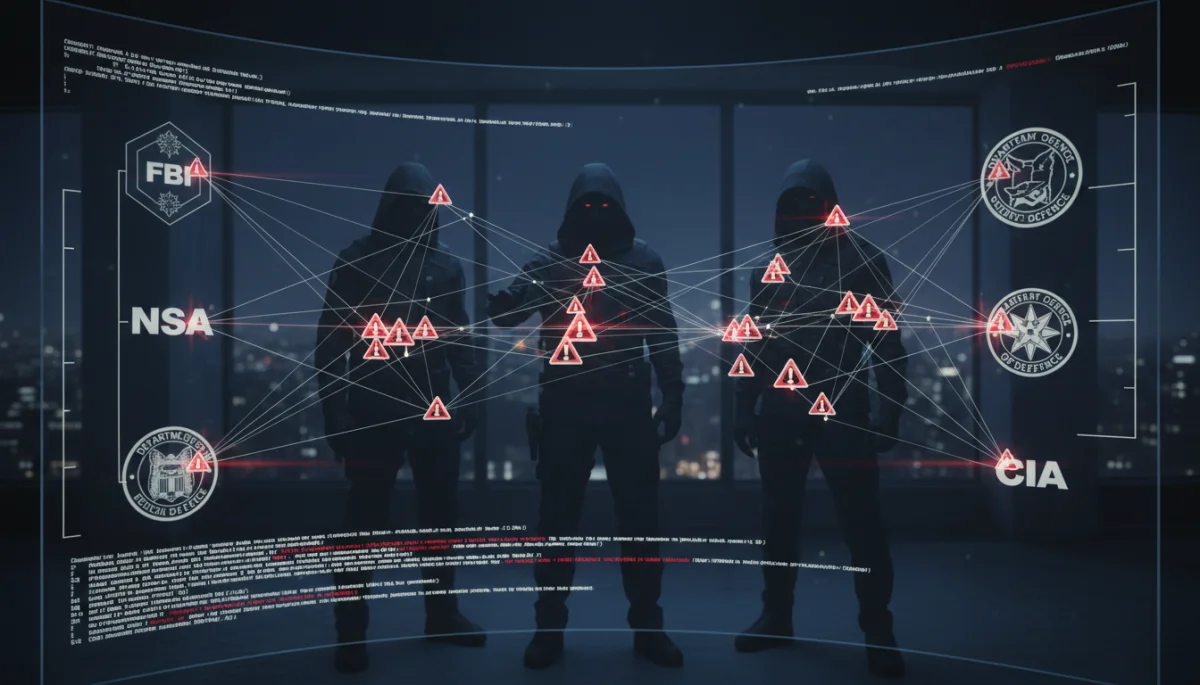
The breach also raises questions about the integrity of classified information. While initial reports indicate that classified networks were separate, the potential for using compromised PII to gain access to lower-level but still sensitive information, or to influence individuals with access to classified data, is a serious concern. This can create a cascading effect of security compromises.
Moreover, the incident serves as a stark reminder of the need for continuous investment in cybersecurity infrastructure and human intelligence. Relying solely on technological defenses is insufficient; a comprehensive approach that includes robust employee training and stringent access controls is essential. The federal government must reassess its entire security posture in light of this significant breach.
In summary, the national security fallout from this data breach is a complex challenge that requires a multi-faceted response, focusing on immediate mitigation, long-term resilience, and enhanced intelligence gathering to counter future threats.
Federal Response and Mitigation Strategies
In the wake of the extensive cyberattack, federal agencies have mobilized a coordinated response to assess the damage, mitigate ongoing threats, and implement enhanced security protocols. The immediate priority is to contain the breach and prevent further data exfiltration, followed by a comprehensive forensic analysis to understand the full scope of the compromise.
Immediate Actions Taken
Upon discovery, federal cybersecurity teams initiated emergency protocols, including isolating affected systems, forcing password resets for potentially compromised accounts, and deploying advanced threat detection tools. A multi-agency task force, involving the FBI, CISA, and other intelligence bodies, has been established to lead the investigation and response efforts.
- System Isolation: Compromised networks and servers were immediately segmented to prevent lateral movement of attackers.
- Credential Resets: All employees potentially affected were mandated to reset their login credentials and activate multi-factor authentication.
- Forensic Analysis: Extensive digital forensics are being conducted to identify the entry points, duration of the breach, and exfiltrated data.
Beyond technical measures, agencies are also focusing on supporting affected employees. This includes providing credit monitoring services, identity theft protection, and clear communication channels for reporting suspicious activities. The goal is to empower employees to protect themselves from potential fraud and exploitation.
Looking ahead, the federal government is expected to accelerate its efforts to modernize legacy IT systems and adopt a more proactive, threat-informed defense strategy. This will involve greater collaboration with the private sector and international partners to share intelligence and develop cutting-edge cybersecurity solutions. The emphasis is on building a resilient digital infrastructure capable of withstanding future attacks.
The federal response is a critical test of the nation’s cybersecurity readiness, requiring swift action and long-term strategic adjustments to protect both data and national interests.
Preventing Future Cyberattacks: Lessons Learned
The early 2026 federal agency cyberattack serves as a harsh but invaluable lesson in the persistent and evolving nature of cyber threats. It underscores that no system, regardless of its security measures, is entirely immune. The key to preventing future breaches lies in a continuous cycle of learning, adaptation, and proactive investment in cybersecurity.
Enhancing Cybersecurity Posture
One of the most critical lessons is the need for a holistic approach to cybersecurity that integrates advanced technology with robust human training and policy enforcement. Technical solutions alone are insufficient; human error often remains the weakest link in the security chain. Therefore, continuous and engaging cybersecurity awareness training for all employees is paramount.
The incident also highlights the importance of zero-trust architectures, where every access request is verified regardless of whether the user is inside or outside the network perimeter. Implementing such models can significantly reduce the impact of an insider threat or a compromised credential. Regular security audits and penetration testing are also vital to identify and address vulnerabilities before they can be exploited.
Furthermore, intelligence sharing among federal agencies and with private sector cybersecurity firms must be streamlined and enhanced. Rapid dissemination of threat intelligence can enable organizations to proactively defend against emerging attack vectors and patch vulnerabilities before they become widespread. This collaborative defense strategy is essential in an interconnected digital landscape.
In conclusion, preventing future cyberattacks requires a multi-layered defense strategy that prioritizes resilience, continuous improvement, and a culture of security awareness at every level of government. The lessons from this breach must drive immediate and sustained action.
The Broader Landscape of Government Cybersecurity in 2026
As we navigate 2026, the landscape of government cybersecurity is characterized by escalating threats and an urgent need for innovation. The recent cyberattack on federal agencies is not an isolated incident but rather a symptom of a larger, more complex environment where nation-state actors and sophisticated criminal groups are constantly probing for weaknesses. This necessitates a fundamental shift in how government approaches its digital defense.
Evolving Threat Actors and Technologies
Threat actors are becoming increasingly sophisticated, leveraging artificial intelligence, machine learning, and advanced persistent threats (APTs) to bypass traditional security measures. They are also exploiting emerging technologies, such as quantum computing, to potentially break current encryption standards. This technological arms race demands that government agencies stay at the forefront of cybersecurity research and development.
- AI-Powered Attacks: Adversaries are using AI to automate and scale attacks, making them harder to detect.
- Quantum Computing Threats: The long-term threat of quantum computers breaking current encryption necessitates a move towards post-quantum cryptography.
- IoT Vulnerabilities: The proliferation of Internet of Things devices in government infrastructure creates new attack surfaces that must be secured.
Moreover, the geopolitical climate plays a significant role in shaping the cybersecurity threat landscape. Tensions between nations often manifest in cyber warfare, with critical infrastructure and government data becoming prime targets. This requires a robust intelligence-gathering capability to anticipate and counter state-sponsored attacks effectively.
The talent gap in cybersecurity is another pressing issue. There is a severe shortage of skilled professionals capable of defending against these advanced threats. Federal agencies must invest in training, recruitment, and retention programs to build a formidable cybersecurity workforce. This includes fostering partnerships with academic institutions and offering competitive compensation packages to attract top talent.
In conclusion, government cybersecurity in 2026 is a dynamic and challenging domain. It demands continuous adaptation, strategic investment, and a collaborative spirit to protect national interests and the sensitive data of its citizens and employees.
Legal and Policy Ramifications of the Breach
The federal agency cyberattack in early 2026 will undoubtedly trigger significant legal and policy ramifications, impacting everything from data protection regulations to international cyber warfare doctrines. The sheer scale of the data breach affecting 500,000 government employees necessitates a thorough review of existing laws and the potential implementation of new, more stringent cybersecurity policies.
Review of Existing Data Protection Laws
The incident will likely prompt a re-evaluation of federal data protection laws, such as the Federal Information Security Modernization Act (FISMA). Lawmakers and policymakers will need to assess if current statutes are adequate to address the complexities of modern cyber threats and to hold agencies accountable for data security failures. This could lead to amendments that mandate more rigorous security standards, clearer reporting requirements, and potentially harsher penalties for non-compliance.
Furthermore, there will be increased scrutiny on how federal contractors and third-party vendors handle sensitive government data. Many breaches originate from vulnerabilities in the supply chain, and new policies may be introduced to ensure that all entities involved in federal operations adhere to the highest cybersecurity standards. This could include mandatory audits, certifications, and contractual obligations for data protection.
Internationally, the breach could influence discussions around cyber warfare and attribution. Depending on the origin and nature of the attack, there might be calls for international agreements or sanctions against nations found to be harboring or sponsoring such malicious cyber activities. This incident underscores the need for clear international norms and frameworks for responsible state behavior in cyberspace.
In conclusion, the legal and policy landscape is poised for significant changes in response to the early 2026 federal cyberattack. These changes aim to bolster national cybersecurity, enhance accountability, and establish clearer guidelines for responding to future digital threats.
| Key Point | Brief Description |
|---|---|
| Breach Scale | 500,000 government employees affected by the data breach in early 2026. |
| Data Compromised | Sensitive PII, employment records, and potentially security clearance details. |
| National Security | Significant implications for espionage, intelligence gathering, and national defense. |
| Federal Response | Emergency protocols, forensic analysis, employee support, and policy reviews initiated. |
Frequently Asked Questions About the Federal Data Breach
The cyberattack in early 2026 significantly compromised data belonging to approximately 500,000 government employees across various federal agencies. This incident involved the exfiltration of personally identifiable information and other sensitive records, leading to widespread concerns about data security and national integrity.
The compromised data includes a range of sensitive information, such as names, addresses, Social Security numbers, dates of birth, and employment records. Investigators are still determining the full extent, but it’s feared that security clearance details and financial information may also have been exposed.
The breach poses severe national security risks, potentially enabling foreign adversaries to conduct espionage, target individuals for blackmail or recruitment, and gain insights into federal operations. It could also undermine trust in government data systems and compromise ongoing intelligence efforts.
Federal agencies have implemented emergency protocols, including isolating affected systems, mandating password resets, and conducting forensic analyses. A multi-agency task force is coordinating the investigation, mitigation efforts, and providing support services like credit monitoring to affected employees.
Employees are advised to monitor their credit reports, enable multi-factor authentication on all accounts, be vigilant against phishing attempts, and change passwords regularly. Utilizing identity theft protection services offered by their agencies is also highly recommended to mitigate potential long-term risks.
Conclusion
The early 2026 federal agency cyberattack, impacting 500,000 government employees, stands as a stark reminder of the persistent and evolving threats in the digital realm. This incident has not only exposed vulnerabilities within federal systems but also underscored the critical need for a more robust, adaptive, and collaborative approach to national cybersecurity. Moving forward, continuous investment in advanced technologies, comprehensive employee training, and the re-evaluation of existing policies will be paramount to safeguarding sensitive information and maintaining national security in an increasingly interconnected world.
Autor