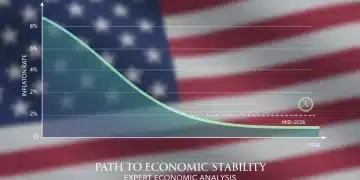
U.S. Inflation Rate: Stabilizing at 2.5% by Mid-2026 – Expert Analysis
Expert analysis indicates the U.S. inflation rate is projected to stabilize at 2.5% by mid-2026, offering a clearer outlook for economic stability and financial planning amidst ongoing global and domestic economic shifts.

Student Loan Forgiveness 2026: Eligibility & Deadlines
Navigating student loan forgiveness in 2026 requires understanding evolving federal programs, eligibility criteria, and application deadlines. This guide provides essential information for borrowers seeking debt relief.

Federal Student Loan Interest Rates 2026: Updates for US Borrowers
Understanding the new federal student loan interest rates for 2026 is crucial for US borrowers. This article provides recent updates, insights into rate calculations, and practical advice for navigating your student debt obligations.

2026 COBRA Continuation Coverage: Your Guide to Health Benefits After Job Loss
This guide provides a comprehensive overview of COBRA continuation coverage for 2026, detailing eligibility, costs, and the steps to maintain your health benefits after job loss, ensuring no gaps in essential healthcare.

2026 Healthcare Reform: Impact on Your Insurance Premiums
The 2026 healthcare reform proposals aim to reshape the US health insurance landscape, potentially affecting premiums, coverage options, and access to care for millions of Americans, demanding careful consideration of upcoming legislative changes.
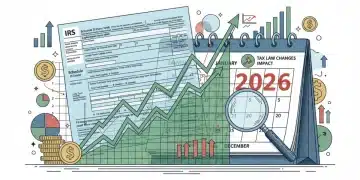
2026 Capital Gains Tax Adjustments: US Stock Market Guide
The 2026 capital gains tax adjustments are poised to significantly impact US stock market participants, necessitating proactive financial planning and strategic investment reevaluation to optimize after-tax returns.

TSA New Screening Protocols: U.S. Airports by Nov 2026
By November 2026, the Transportation Security Administration (TSA) will implement new screening protocols across all U.S. airports, aiming to enhance security and streamline the travel experience for passengers.

Best Low-Cost Index Funds for 2026: Maximize Returns
Low-cost index funds offer an efficient way to achieve market returns with minimal fees, making them a cornerstone for long-term investment strategies in 2026.

Top 10 US Education Grants: Apply Before March 2026
Secure your future by applying for the top 10 US education grants before their March 2026 deadlines, offering critical financial support for your academic journey.

2026 Federal Benefits: Updates 1.5M Americans Need to Know
The 2026 federal benefits updates introduce crucial changes affecting over 1.5 million Americans, requiring immediate attention to new policies and eligibility criteria.

Gig Economy Growth: 45% U.S. Workforce by 2030 Report
A recent federal report projects the gig economy will constitute 45% of the U.S. workforce by 2030, signaling a significant transformation in employment structures and economic dynamics.

Diversified Investment Portfolio for 2026: Growth & Stability
Building a diversified investment portfolio for 2026 involves strategic asset allocation and regular rebalancing to achieve both growth and stability in an evolving market landscape.