Budgeting in 2026: Cut Expenses 15% Without Sacrificing Life Quality

Implementing strategic budgeting in 2026 allows for a 15% reduction in monthly expenses without diminishing one’s quality of life through thoughtful financial choices.
Navigating the financial landscape of 2026 requires a fresh perspective, especially when aiming to optimize your spending. This article delves into the art of budgeting in 2026: cutting monthly expenses by 15% without sacrificing quality of life (financial impact), offering practical, actionable strategies to achieve significant savings while maintaining your desired lifestyle.
Understanding the 2026 Financial Landscape
The year 2026 presents a unique set of economic conditions, from evolving inflation rates to technological advancements influencing consumer spending. To effectively cut expenses, it is crucial to first understand the broader financial environment and how it impacts your personal finances. This foundational knowledge empowers you to make informed decisions.
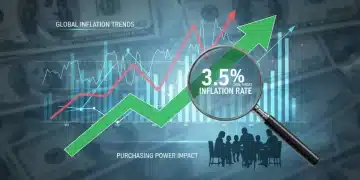
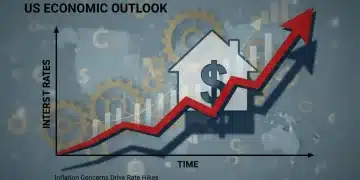
Examining current economic trends is the first step. Are interest rates rising or falling? How are consumer prices fluctuating in key sectors like housing, food, and transportation? These external factors directly influence your purchasing power and the potential for savings. A clear picture of the macro-economy helps contextualize your personal budget.
Analyzing current economic trends
Staying informed about economic forecasts and expert analyses can provide valuable insights. Government reports, reputable financial news outlets, and academic studies often offer projections that can guide your budgeting strategy for the year ahead.
- Monitor inflation rates for essential goods and services.
- Track interest rate changes, especially for loans and savings accounts.
- Observe shifts in employment rates and wage growth.
Impact of technology on spending habits
Technological innovations continue to reshape how we spend and save. From subscription services to app-based payment systems, understanding these tools allows for both greater efficiency and potential pitfalls. Leveraging technology wisely can be a powerful ally in your budgeting efforts.
In conclusion, a thorough understanding of the 2026 financial landscape is indispensable for effective budgeting. By staying informed about economic trends and leveraging technology, you can lay a solid groundwork for achieving your financial goals without compromising your quality of life.
The 15% Challenge: Setting Realistic Goals
Embarking on a journey to cut 15% from your monthly expenses might seem daunting, but it is an achievable goal with the right approach. The key lies in setting realistic expectations and breaking down the challenge into manageable steps. This section will guide you through defining your financial baseline and identifying initial areas for reduction.
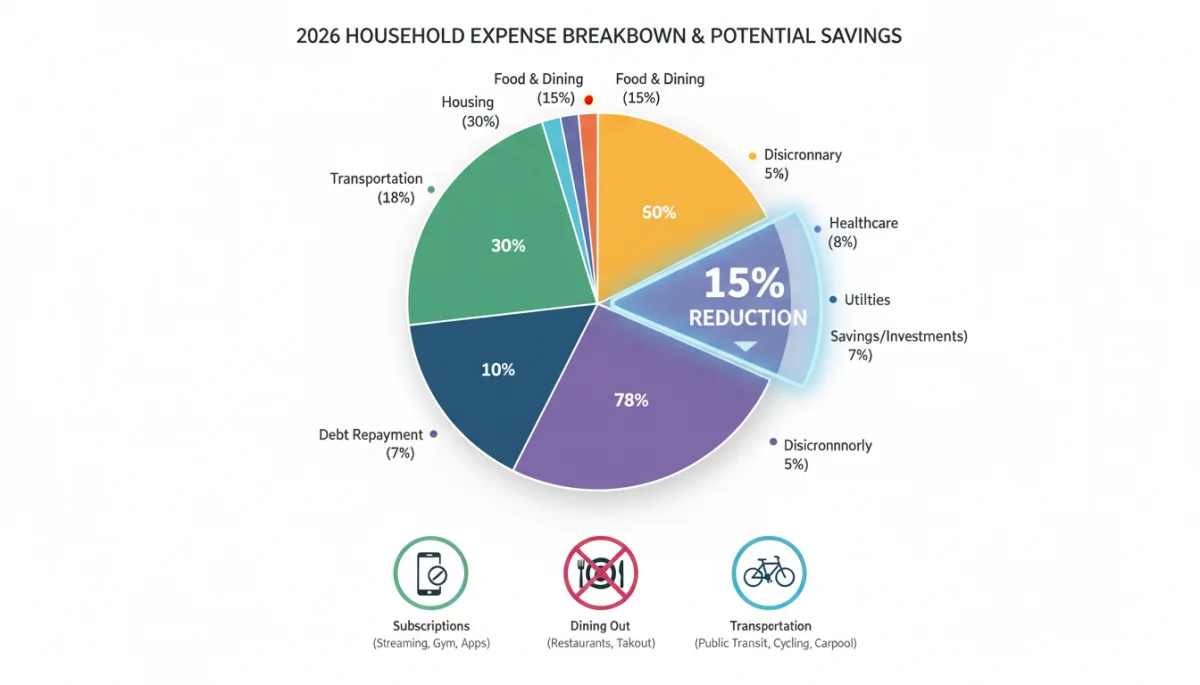
Before you can cut, you must know what you are spending. This involves a meticulous review of all your income and outflows over several months. Many people are surprised to discover where their money truly goes once they undertake this detailed analysis. This is not about judgment, but about clarity.
Defining your financial baseline
Gathering all your financial statements—bank statements, credit card bills, utility bills, and pay stubs—is critical. Use a spreadsheet or a budgeting app to categorize every single transaction. This baseline will serve as your starting point and allow you to track progress effectively.
- Compile all income sources.
- List all fixed and variable expenses.
- Calculate your average monthly spending.
Identifying initial areas for reduction
Once you have a clear picture of your spending, look for obvious opportunities to trim. Often, these are discretionary expenses that, while enjoyable, may not be essential. Small cuts across multiple categories can quickly add up to the 15% target.
To conclude, setting realistic goals for the 15% challenge starts with a comprehensive understanding of your current financial situation. By defining your baseline and identifying initial areas for reduction, you empower yourself to make strategic cuts that pave the way for significant savings.
Smart Strategies for Expense Reduction
Achieving a 15% reduction in monthly expenses requires more than just cutting back; it demands smart, strategic choices that align with your values and priorities. This involves a blend of reviewing recurring subscriptions, optimizing household utilities, and making conscious decisions about discretionary spending. The goal is to maximize savings without feeling deprived.
Many people overlook the cumulative impact of small, recurring costs. These often include streaming services, gym memberships, and various app subscriptions that may no longer be actively used or provide value. A thorough audit can reveal surprising opportunities for savings.
Auditing subscriptions and recurring payments
Take the time to list every subscription you have, from entertainment to software. Evaluate each one: do you use it regularly? Is it essential? Are there cheaper alternatives or bundles available? Canceling even a few unused subscriptions can free up significant funds monthly.
- Create a comprehensive list of all subscriptions.
- Assess usage and value for each service.
- Cancel or downgrade underutilized subscriptions.
Optimizing household utilities and services
Utility bills are often seen as fixed costs, but there are many ways to reduce them. Energy efficiency upgrades, smart home devices, and simply being more mindful of usage can lead to noticeable savings. Additionally, periodically reviewing your internet, phone, and insurance plans can uncover better deals.
In summary, smart expense reduction is about being proactive and analytical. By auditing your subscriptions and optimizing household utilities, you can make meaningful cuts to your budget that contribute significantly to the 15% goal without compromising your lifestyle.
Maintaining Quality of Life While Saving
The fear of sacrificing quality of life often deters people from pursuing aggressive budgeting goals. However, it is entirely possible to cut expenses by 15% or more while maintaining, or even enhancing, your overall well-being. This involves shifting perspectives, embracing creative alternatives, and prioritizing experiences over material possessions.
Instead of viewing budgeting as a restriction, consider it an opportunity for intentional living. By consciously choosing where your money goes, you align your spending with your true priorities. This can lead to a more fulfilling life, free from unnecessary financial stress.
Finding affordable entertainment and leisure
There are countless ways to enjoy yourself without breaking the bank. Explore free local events, utilize public libraries for books and movies, or organize potlucks with friends instead of dining out. Embracing nature through hiking or park visits also offers high-value, low-cost entertainment.
- Discover free community events and festivals.
- Leverage library resources for entertainment and education.
- Plan budget-friendly social gatherings at home.
Investing in experiences over material goods
Research consistently shows that experiences bring more lasting happiness than material purchases. Redirecting funds from impulse buys to memorable experiences, whether a weekend trip or a new hobby, can enrich your life without inflating your budget significantly.
To conclude, maintaining a high quality of life while saving is about conscious choices and creative alternatives. By finding affordable entertainment and prioritizing experiences, you can achieve your financial goals without feeling deprived, ultimately leading to a more intentional and satisfying lifestyle.
Leveraging Technology for Budgeting Success
In 2026, technology is an indispensable ally in achieving budgeting success. From sophisticated budgeting apps to automated savings tools, leveraging these innovations can simplify the process, provide real-time insights, and help you stay on track with your financial goals. The right tools can transform a tedious task into an empowering habit.
Gone are the days of manual ledger entries. Modern financial technology offers intuitive interfaces and powerful analytics that make tracking spending, setting budgets, and identifying saving opportunities easier than ever before. Embracing these tools is a crucial step towards effective financial management.
Utilizing budgeting apps and software
A plethora of budgeting apps are available, many offering features like automatic transaction categorization, spending alerts, and goal tracking. Platforms such as Mint, YNAB (You Need A Budget), and Personal Capital can provide a comprehensive overview of your financial health and help you identify areas for improvement.
- Choose an app that aligns with your budgeting style.
- Regularly review categorized spending for insights.
- Set up alerts for overspending in specific categories.
Automating savings and bill payments
Automation is a powerful tool for consistent savings. Setting up automatic transfers from your checking to your savings account immediately after receiving your paycheck ensures you ‘pay yourself first.’ Similarly, automating bill payments prevents late fees and helps maintain a good credit score.
In conclusion, leveraging technology is paramount for budgeting success in 2026. By utilizing budgeting apps and automating savings and bill payments, you can streamline your financial management, gain better control over your money, and confidently work towards your 15% expense reduction goal.
Long-Term Financial Impact and Future Planning
Cutting monthly expenses by 15% in 2026 is not just about immediate savings; it’s a strategic move with significant long-term financial impact. This habit of mindful spending and strategic budgeting lays the groundwork for greater financial security, accelerated debt repayment, and enhanced investment opportunities. The positive ripple effects extend far into your future.
Developing disciplined budgeting habits now can profoundly influence your financial trajectory. The money saved can be redirected towards high-interest debt, emergency funds, or investment vehicles, all of which contribute to building substantial wealth over time. This is about creating a sustainable financial future.
Accelerating debt repayment and building savings
The extra funds freed up by cutting expenses can be strategically applied to high-interest debts like credit cards or personal loans, drastically reducing the total interest paid and shortening the repayment period. Simultaneously, these funds can bolster your emergency savings, providing a crucial safety net against unforeseen circumstances.
- Prioritize paying down high-interest debt with saved funds.
- Build a robust emergency fund (3-6 months of living expenses).
- Consider a separate fund for larger, planned expenses.
Investing for future growth
Once debts are managed and emergency savings are established, the consistent 15% savings can be directed towards investments. Whether it’s contributing more to a retirement account, investing in the stock market, or saving for a down payment on a home, these actions contribute to long-term wealth accumulation.
In conclusion, the long-term financial impact of cutting expenses by 15% is transformative. By accelerating debt repayment, building robust savings, and investing wisely, you create a powerful foundation for future growth and achieve lasting financial peace of mind.
| Key Strategy | Brief Description |
|---|---|
| Subscription Audit | Review and cancel unused or underutilized recurring services. |
| Utility Optimization | Implement energy-saving measures and compare service providers. |
| Mindful Spending | Prioritize experiences and needs over impulsive material purchases. |
| Tech Leverage | Use budgeting apps and automation for tracking and savings. |
Frequently asked questions about budgeting in 2026
Yes, absolutely. The key lies in strategic, mindful adjustments rather than drastic cuts to essentials. By auditing discretionary spending, optimizing recurring bills, and finding creative, affordable alternatives for leisure, you can achieve this goal while maintaining or even improving your lifestyle.
Common areas for significant savings include unused subscriptions, dining out and food delivery services, excessive utility consumption, and impulse purchases. Many find substantial savings by simply being more aware of where their money is going each month and making small, consistent changes.
Technology offers powerful tools like budgeting apps (e.g., Mint, YNAB) that automatically track and categorize spending. They provide real-time insights, set alerts for overspending, and can even help automate savings transfers, making the budgeting process much more efficient and less prone to human error.
The long-term benefits are substantial. Consistent savings can accelerate debt repayment, allowing you to become debt-free faster and save on interest. It also builds up your emergency fund and frees up capital for investments, contributing significantly to wealth accumulation and financial security over time.
While generally beneficial, overly aggressive budgeting without considering quality of life can lead to burnout or feelings of deprivation. The key is balance: make sustainable changes that align with your values and avoid cutting into essential needs or activities that genuinely contribute to your well-being.
Conclusion
Budgeting in 2026: cutting monthly expenses by 15% without sacrificing quality of life (financial impact) is not merely a theoretical aspiration but a highly achievable goal. By understanding the current financial landscape, setting realistic targets, employing smart reduction strategies, and leveraging modern technology, individuals can significantly improve their financial health. This journey is about intentional living, making conscious choices that align with personal values, and ultimately building a more secure and fulfilling financial future without feeling deprived. The long-term benefits of these disciplined habits will undoubtedly pave the way for sustained financial growth and peace of mind.
Autor