Gamified learning platforms: unlocking engagement for learners
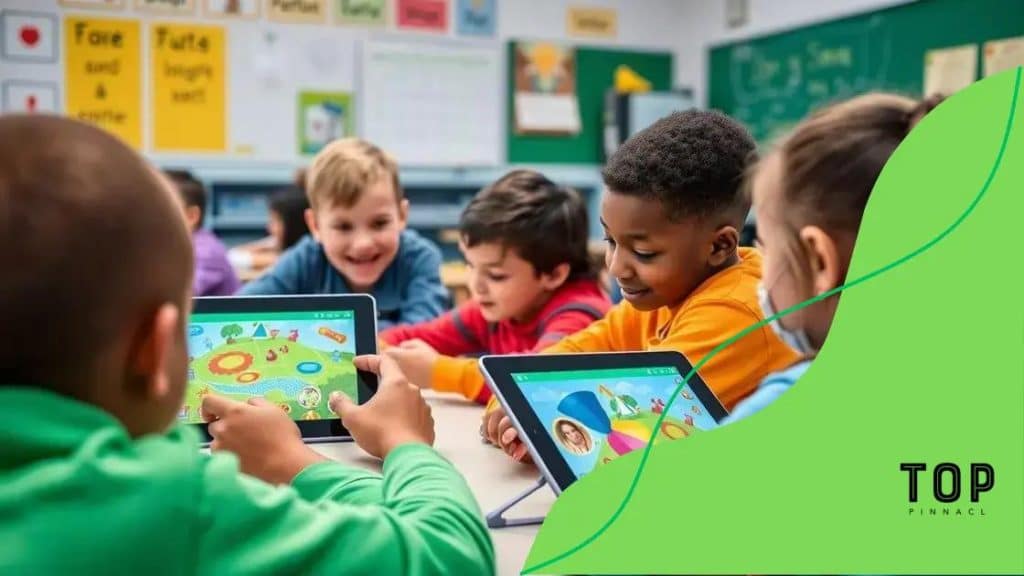
Gamified learning platforms engage students by incorporating game mechanics like points and rewards, significantly enhancing motivation, retention, and skill development in educational settings.
Gamified learning platforms are changing the way we engage with education. Have you ever wondered how game mechanics can make learning more enjoyable? Let’s dive into the exciting world of gamification.
What are gamified learning platforms?
Gamified learning platforms are innovative systems designed to engage learners through the integration of game elements into the educational process. These platforms utilize mechanics commonly found in games—such as scoring systems, challenges, and rewards—to make learning more interactive and enjoyable.
By incorporating these elements, gamified learning enhances motivation among students. It encourages them to tackle challenges and advance through different levels, viewing the learning journey as a game.
Key Features of Gamified Learning Platforms
These platforms offer unique features that set them apart:
- Point Systems: Learners earn points for completing tasks, which helps track their progress.
- Badges and Rewards: Achieving specific milestones unlocks badges, enhancing a sense of accomplishment.
- Leaderboards: Friendly competition is fostered by displaying top performers, encouraging greater participation.
- Interactive Challenges: Tasks are structured as challenges that engage students and allow them to apply their knowledge in a fun way.
Platforms may include educational games, quizzes, and interactive simulations that provide immediate feedback. This instant feedback helps learners adjust their strategies and improve their understanding. The social aspect of these platforms also plays a vital role, as students can collaborate and compete with their peers.
Examples of Gamified Learning Platforms
Several popular platforms exemplify gamified learning:
- Kahoot!: Allows users to create quizzes that can be played in real-time with others.
- Duolingo: Uses a game-like experience to teach languages through bite-sized lessons.
- Classcraft: Turns classroom experiences into epic adventures while promoting teamwork.
As we explore more about gamified learning platforms, it becomes clear that they are transforming traditional educational experiences into something dynamic and engaging. With their focus on fun and interaction, these platforms not only improve learning outcomes but also make education a more enjoyable process for everyone involved.
Benefits of gamified learning for skill development
Gamified learning has gained significant popularity due to its effectiveness in enhancing skill development among learners. By applying game mechanics, these platforms cultivate a learning environment that fosters engagement, motivation, and retention.
One of the primary benefits is the ability to make learning enjoyable. When students view educational tasks as games, they are more likely to participate actively and tackle challenges with enthusiasm. This interactive approach leads to a deeper understanding of the material.
Key Advantages of Gamified Learning for Skills
Some prominent benefits include:
- Increased Motivation: Gamified elements like points, badges, and leaderboards encourage learners to engage more deeply with content.
- Enhanced Retention: The combination of fun and challenge aids in memory retention, helping students to remember concepts longer.
- Interactive Learning: Platforms promote practical application of skills through simulations and scenarios, which prepares learners for real-world situations.
- Immediate Feedback: Instant feedback helps learners understand their strengths and areas for improvement, making the learning process dynamic and adaptive.
Moreover, gamified learning fosters collaboration and communication. Many platforms allow learners to work together in teams, solving problems and sharing ideas. This cooperative atmosphere builds essential soft skills like teamwork and communication, which are critical in today’s workplaces.
Another significant advantage is the customization that gamified platforms offer. Educators can tailor learning experiences to meet individual needs, ensuring that each learner progresses at their own pace. This personalized approach helps keep students motivated and confident in their abilities.
How gamification fosters better retention
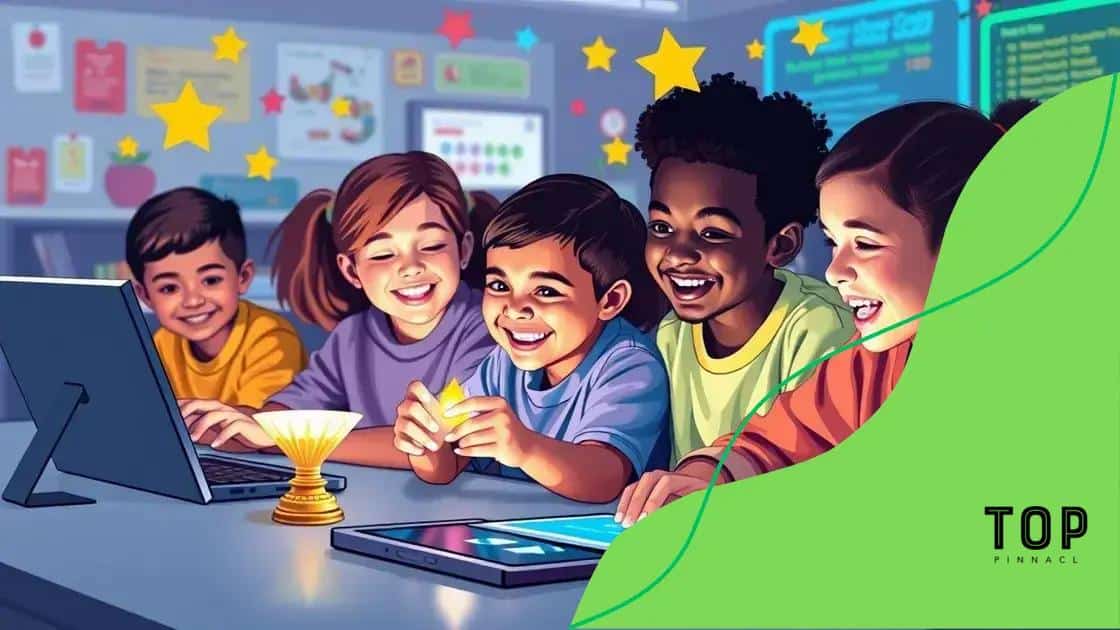
Gamification plays a significant role in enhancing retention among learners. By transforming traditional educational content into interactive experiences, it captures attention and encourages deeper engagement.
When learning is fun, students are less likely to forget the information they acquire. Games utilize various techniques that make concepts memorable, such as rewards, challenges, and notifications that boost learner confidence.
Mechanisms Behind Improved Retention
Several mechanisms help explain how gamification fosters better retention:
- Active Participation: Engaging with the material through gameplay requires active participation, which strengthens memory retention.
- Repetition Through Play: Game mechanics often involve repeating tasks and challenges, reinforcing knowledge and aiding in recall.
- Emotional Connection: Games foster emotional responses, which enhance memory formation. The joy of winning or achieving a badge creates positive associations with learning.
- Visual Learning: Gamified platforms often use bright visuals and interactive content, which cater to different learning styles and help in retaining information.
Furthermore, immediate feedback allows learners to quickly identify what they understand well and what needs improvement. This responsive environment encourages them to keep practicing until they master the content, reinforcing their knowledge.
Learning becomes a journey rather than a chore. As students navigate through levels and earn achievements, they develop a sense of accomplishment that motivates them to continue learning. This drive not only improves retention but also instills a love for learning that can last a lifetime.
Successful examples of gamified platforms
There are many successful examples of gamified platforms that have proven the effectiveness of gamification in learning. These platforms not only engage users but also enhance knowledge retention and motivation.
One widely recognized example is Kahoot!. This platform allows teachers to create quizzes that students can answer in real-time during lessons. The competitive element, with points and leaderboards, makes learning fun and encourages participation.
Examples of Impactful Gamified Platforms
Other notable platforms include:
- Duolingo: This language-learning app uses gamified methods to make learning new languages enjoyable. Users earn points for correct answers, maintain streaks for consecutive days of practice, and compete with friends.
- Classcraft: Designed for classrooms, Classcraft turns education into an adventure. Students take on character roles and earn experience points by completing assignments and collaborating with peers.
- Quizlet: This platform provides flashcards and quizzes for various subjects. Gamified features, such as learning through different modes, help students reinforce their knowledge.
- MindSnacks: An app for learning languages and other subjects, it uses mini-games to teach and reinforce skills in a fun way while providing immediate feedback.
Each of these platforms uses creative gamification techniques to engage users. They combine education with fun, which motivates learners to continue using them. As a result, students can achieve their learning goals while enjoying the process.
The success of these platforms shows how effective gamification can be in different educational environments. They demonstrate that by integrating game mechanics into learning, platforms can create a more exciting and enriching experience.
Future trends in gamified learning
The future of gamified learning is exciting and full of potential. As technology advances, we can expect to see more innovative approaches to education that incorporate gamification principles. These trends will not only enhance learning but also make it more accessible and engaging for students of all ages.
One growing trend is the use of virtual and augmented reality (VR and AR). These technologies immerse students in interactive environments where they can learn through exploration and simulation. For instance, students might travel through historical sites or conduct science experiments in a virtual lab, making learning experiences more vivid and relatable.
Emerging Trends in Gamified Learning
Another trend is the rise of personalized learning experiences. By using data analytics and AI, platforms can tailor educational content to fit individual learner preferences and skills. This customization can include adapting challenges based on a student’s progress, allowing for a more effective learning path.
Future platforms may also emphasize social learning. Features that allow students to connect and collaborate with others can foster teamwork and problem-solving skills. Incorporating social elements like group challenges and peer reviews can create a supportive community that encourages participation.
- Microlearning: Short, focused training sessions that allow learners to absorb information quickly and efficiently.
- Mobile Learning: With the prevalence of smartphones, gamified content will increasingly be available on mobile devices, making learning accessible anytime, anywhere.
- AI-driven Feedback: Real-time analytics will provide learners with instant feedback, guiding them to improve and adjust their learning strategies.
Ultimately, the goal of these trends is to make learning more engaging and effective. As the educational landscape evolves, we can look forward to a future where gamified learning is more integrated into standard curricula, providing students with enriching experiences that prepare them for the challenges of the modern world.
FAQ – Frequently Asked Questions about Gamified Learning
What is gamified learning?
Gamified learning is an educational approach that incorporates game elements, such as points, rewards, and challenges, to engage learners and enhance the learning experience.
How does gamification improve student motivation?
Gamification boosts student motivation by making learning fun and interactive, encouraging participation through competition and rewards.
Can gamified platforms cater to different learning styles?
Yes, many gamified platforms are designed to accommodate various learning styles, providing visual, auditory, and kinesthetic learning experiences.
What are some successful examples of gamified learning platforms?
Examples include Kahoot!, Duolingo, and Classcraft, which effectively engage students and promote active learning through gamified strategies.
Autor